
Every Muslim longs to visit Makkah and stand before the Kaaba with humility and hope. Umrah offers that opportunity throughout the year outside the days of Hajj. It is a voluntary pilgrimage, yet its spiritual impact transforms hearts and renews faith. Many first-time pilgrims feel overwhelmed by rituals, rules, and practical planning.
This detailed Umrah preparation guide explains every step clearly, based on authentic Islamic guidance and official information from Nusuk and scholarly references such as Islamic Relief UK. Whether you travel alone, with family, or as a first-time pilgrim, this guide will help you prepare properly and perform Umrah with confidence.
Umrah is a sacred pilgrimage to Makkah that includes four essential rituals: Ihram, Tawaf, Sa’i, and Halq or Taqsir. Muslims perform it to seek forgiveness, strengthen faith, and reconnect with Allah.
Unlike Hajj, Umrah does not have fixed annual dates. Pilgrims may perform it at almost any time of the year, subject to official regulations.
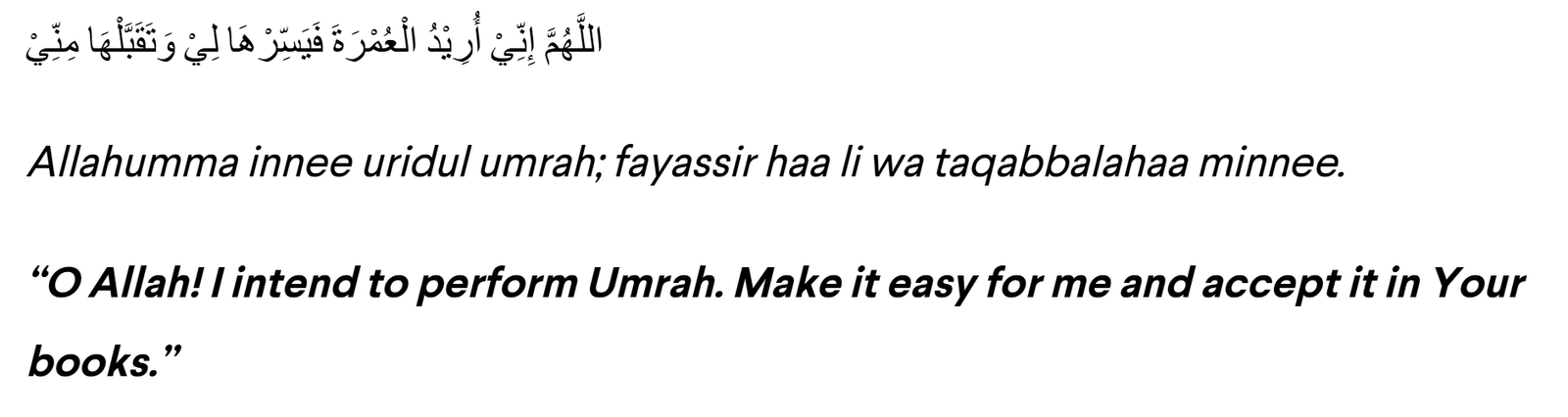
Proper preparation is crucial for a smooth and spiritually rewarding Umrah experience. Below is a detailed preparation checklist:
Always verify updated requirements through Nusuk before travel.
Here are the umrah rituals & steps to make this journey simpler for you.
Prepare your heart for patience, humility, and gratitude.
Ihram is a sacred state that begins with intention and Talbiyah. It brings specific clothing rules and behavioral restrictions.

Pilgrims must assume Ihram before crossing the designated Miqat boundaries surrounding Makkah.
Make an intention in your heart and say:
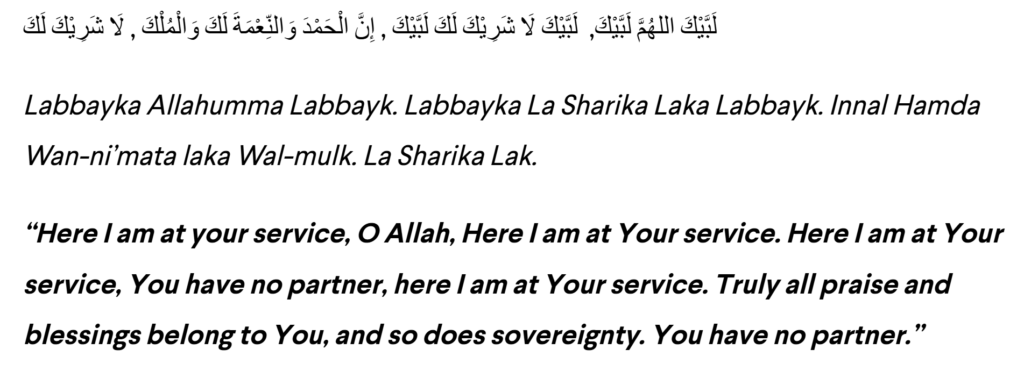
Then continue reciting the Talbiyah until reaching Masjid al-Haram.
Once you arrive in Makkah, the first major act of worship is Tawaf — the act of walking around the Kaabah seven times in a counterclockwise direction. Tawaf is an expression of love and devotion to Allah. Here’s how to perform it:
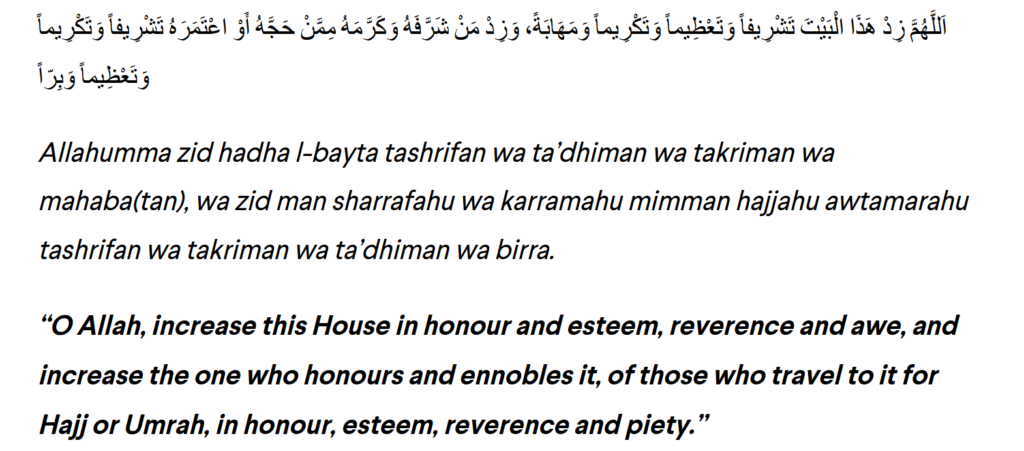
Make wudhu (ablution) before starting Tawaf.
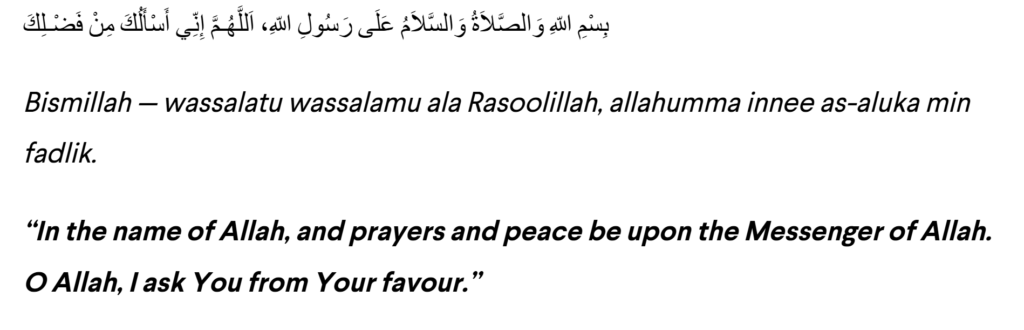
Enter the Masjid al-Haram with your right foot first and recite a dua for entering the mosque (refer to the opening dua in the guide).
Approach the Kaabah and recite the Takbir (Allahu Akbar) upon seeing it.
Start at the Black Stone (Hajr-e-Aswad) and kiss or touch it, if possible. If you can’t reach it, simply raise your hands toward the stone and say “Bismillah, Allahu Akbar.”
Walk around the Kaabah seven times, keeping the Kaabah to your left. If possible, run during the first three rounds (for men), a practice known as Ramal.
The first Tawaf marks the start of your Umrah, and after completing the seven rounds, perform two rak’ahs of prayer (Sunnah) at the Maqam-e-Ibrahim (the standing place of Prophet Ibrahim).
While performing Tawaf, recite Dua, Zikr, and personal prayers. There are no fixed supplications; the focus is on sincerity and mindfulness during this act.
After completing Tawaf, the next ritual is Sa’ee, which involves walking between the Safa and Marwah hills seven times.
Sa’ee is an essential part of Umrah, where pilgrims walk seven times between the hills of Safa and Marwah. When you reach Safa for the first time, it is recommended to recite the following verse from the Holy Qur’an before beginning your walk.
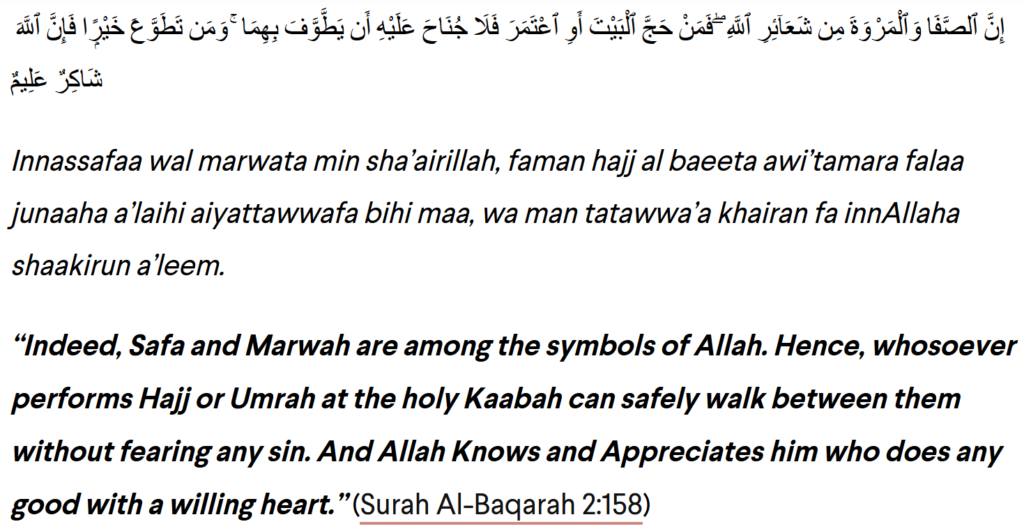
Start at Safa: Climb the hill of Safa and face the Kaabah. Make dua and recite the prayer, “Indeed, Safa and Marwah are among the signs of Allah.”
Proceed to Marwah: Walk towards Marwah and complete one round when you reach the top.
Complete the cycle seven times between Safa and Marwah. If possible, men are recommended to jog briskly between the two markers.
On completion, make dua facing the Kaabah.
This step symbolizes purification and the completion of Umrah. A male pilgrim can either shave his head (Halaq) or trim his hair (Qasar). Women must trim a small portion of their hair (about an inch).
Shaving the head is preferred as it holds greater reward. It’s a Sunnah and marks the full submission of oneself to Allah.
Women cannot shave their heads, but can trim a portion of their hair.
Once this is done, the pilgrim is free from the restrictions of Ihram.
Each of these steps serves not just a ritual purpose, but also has profound spiritual significance:
Ihram marks the beginning of the journey and signifies leaving behind the distractions of the world and entering a sacred state of purity.
Tawaf is an act of submission, a physical manifestation of the love and reverence Muslims feel for Allah. It symbolizes the unity of the believer and the Divine.
Sa’ee is a representation of striving and sacrifice for Allah, recalling Hagar’s desperate search for water for her son, Prophet Isma’il.
Shaving or trimming the hair is an outward symbol of spiritual renewal and humility, signifying the purification of the soul.
Umrah is a means of erasing past sins and drawing closer to Allah. The Prophet (saw) said:
“One Umrah is an expiation for the sins committed between it and the next Umrah.”
Performing Umrah, especially during Ramadan, carries immense spiritual reward. The reward of Umrah during this blessed month is equal to that of performing Hajj with the Prophet (saw).
Allah promises to forgive the pilgrim’s sins for all their past mistakes, both major and minor.
Patience is key during Umrah, especially in the crowded environment. Muslims should avoid getting frustrated or irritated, as these are opportunities to practice humility.
During Tawaf, Sa’ee, and other rituals, pilgrims should remain humble and engage in silent worship. It is highly important to avoid any distractions, such as worldly conversations or excessive noise.
Umrah is a time for personal supplication. It’s important to ask Allah for forgiveness, guidance, and strength. Pilgrims should remember to pray for others as well.
A menstruating woman may enter Ihram and recite Talbiyah.
She must delay Tawaf until purification.
She may perform Sa’i according to many scholars after Tawaf.
She completes hair trimming after finishing the required rituals.
Always seek reliable scholarly advice for personal situations.
The umrah time usually requires three to six hours usually, depending on crowd levels. Many pilgrims remain in Makkah for several days to increase prayer and reflection.
Umrah Guide for First-Timers – Tips for Convenience
Choose accommodation within walking distance of Masjid al-Haram.
Carry water and remain hydrated during rituals.
Wear comfortable sandals that are easy to remove.
Keep a small bag for essential items only.
Avoid peak crowd times if possible.
Focus on sincerity rather than rushing through rituals.
This is the prayer recited when departing from Al Haram, asking Allah for His continued mercy, protection, and blessings after completing your worship. It is a way to seek acceptance of your prayers and to leave the sacred place with gratitude and hope.
Q1: Can women perform Umrah alone?
Ans: Yes, current Saudi regulations allow women to travel without a Mahram under certain visa categories. Still, many scholars advise group travel for safety and comfort.
Q2: Do I need a Mahram for Umrah?
Ans: Islamic tradition requires a Mahram for long-distance travel. However, Saudi visa policies sometimes permit women to travel in organized groups without one.
Q3: What invalidates Umrah?
Ans: Intentional marital relations during Ihram or abandoning essential rituals like Tawaf can invalidate Umrah. Minor mistakes usually require compensation, not repetition.
Q4: How long does Umrah take to complete?
Ans: Most pilgrims complete the rituals within three to six hours. The duration depends mainly on crowd levels and personal pace.
Q5: What supplications should I recite?
Ans: You may recite authentic du’as from Qur’an and Sunnah or speak sincerely in your own language. Allah listens to heartfelt prayers with proper Umrah etiquette & supplications.