
Europe has long been a dream destination for Pakistani travelers. From the romantic streets of Paris to the historic canals of Venice and the snow-capped peaks of the Alps, there’s something for every kind of explorer.
Yet, for first-time visitors, the excitement often comes with a fair share of confusion. Which country should you start with? How do you plan around the Schengen visa? And what cities are truly beginner-friendly without feeling overwhelming?
This guide is designed to make that first Europe trip simpler and more enjoyable. We’ve focused on the top 10 places to visit in Europe for first-time travelers that are easy to explore, rich in culture and history, and offer stunning scenery along the way.
You’ll find practical advice for planning a first-time itinerary, budget-friendly travel options, and tips on avoiding common beginner mistakes, like overpacking or underestimating travel time between cities.
This Europe travel guide 2026 provides a roadmap that balances iconic landmarks with offbeat experiences. We’ll also break down visa-friendly options to make your planning process smoother and less stressful.
By the end, you’ll have a clear picture of which are the best European cities for first-time visitors, how to structure your trip, and how to make the most of every moment, all without breaking the bank. Your first Europe adventure starts here.
Before we dive into the top destinations, it’s important to explain how we picked these cities. With so many amazing options in Europe, narrowing it down for first-time travelers requires a clear, practical approach.
We focused on the following criteria to make your trip smooth, enjoyable, and stress-free:
To help you get started, here are the top 10 places to visit in Europe for first-time travelers that offer the perfect mix of history, beauty, culture, and unforgettable experiences.

Paris is one of the must-visit places in Europe for many travelers. It’s instantly recognizable, easy to get around with its excellent public transport, and English is widely spoken in tourist areas. Plus, it combines iconic landmarks, world-class museums, and charming neighborhoods—all in one city.
Best time to visit: April to June or September to October (mild weather, fewer crowds).
Budget level: Medium – Meals, transport, and entry fees are moderate; splurges like river cruises or fine dining can raise costs.
Ideal duration: 3–4 days – Enough to hit main attractions without rushing.
Insider tip: South Asian travelers might find local dining styles and portion sizes different. Trying cafés and bakeries is fun, but carrying light snacks can be handy. Also, wearing comfortable shoes is essential. Paris is made for walking!
Want to go at these place check out: Paris Tour Package Timeless Beauty
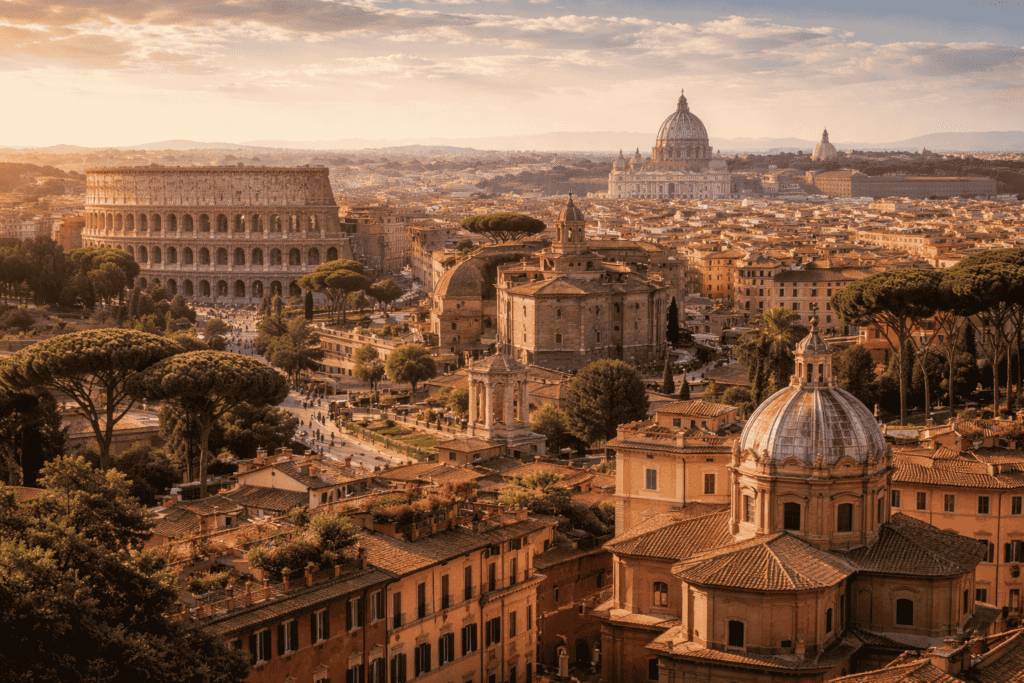
Rome is perfect for travelers who love history and culture. The city is extremely walkable, letting you wander between ancient ruins, piazzas, and fountains at your own pace. Italian cuisine is a major bonus; pizza, pasta, and gelato are never far away, making every meal an experience. For first-time visitors, Rome balances iconic landmarks with easy navigation and plenty of charm.
Best time to visit: March to May or September to October – Pleasant weather and smaller crowds compared to summer.
Budget level: Medium – Entry fees for museums and attractions are moderate; meals range from budget-friendly trattorias to higher-end restaurants.
Ideal duration: 3–4 days – Enough to see the main historical sites without rushing.
Insider tip: First-time visitors, especially from South Asia, might be surprised by the fast-paced Italian dining culture; restaurants expect quick seating and turnover. Plan meals slightly earlier or later than usual. Also, wear comfortable shoes; cobblestone streets are beautiful but can be tiring!
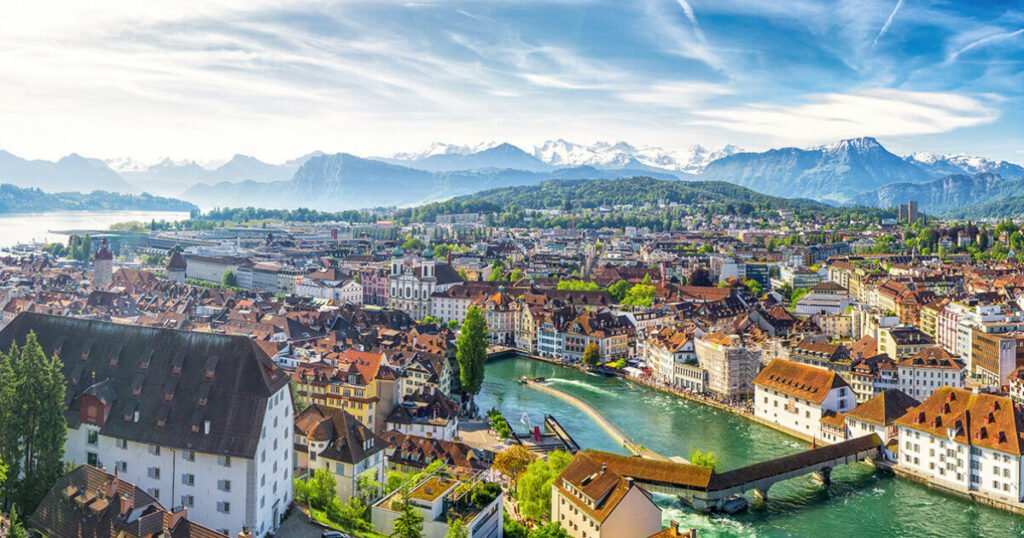
Switzerland is a dream for travelers who love nature, scenic views, and smooth logistics. Cities like Interlaken and Lucerne are safe, clean, and easy to navigate, making them perfect for first-time Europe visitors. The country is famous for its scenic train routes, breathtaking mountains, and lakeside charm, offering a refreshing contrast to city-focused trips like Paris or Rome.
Best time to visit: June to September – Ideal for hiking and lake activities. December to February – Perfect for winter sports and snow scenery.
Budget level: High – Switzerland is one of the pricier European countries, but the experience is unmatched in terms of scenery, cleanliness, and efficiency.
Ideal duration: 3–5 days – Enough to explore Lucerne, Interlaken, and take at least one scenic train ride.
Insider tip: While Switzerland is expensive, the value for first-time visitors is worth it. Efficient trains, stunning natural sights, and safe cities make the splurge memorable. Booking train passes and mountain excursions in advance can save both time and money.
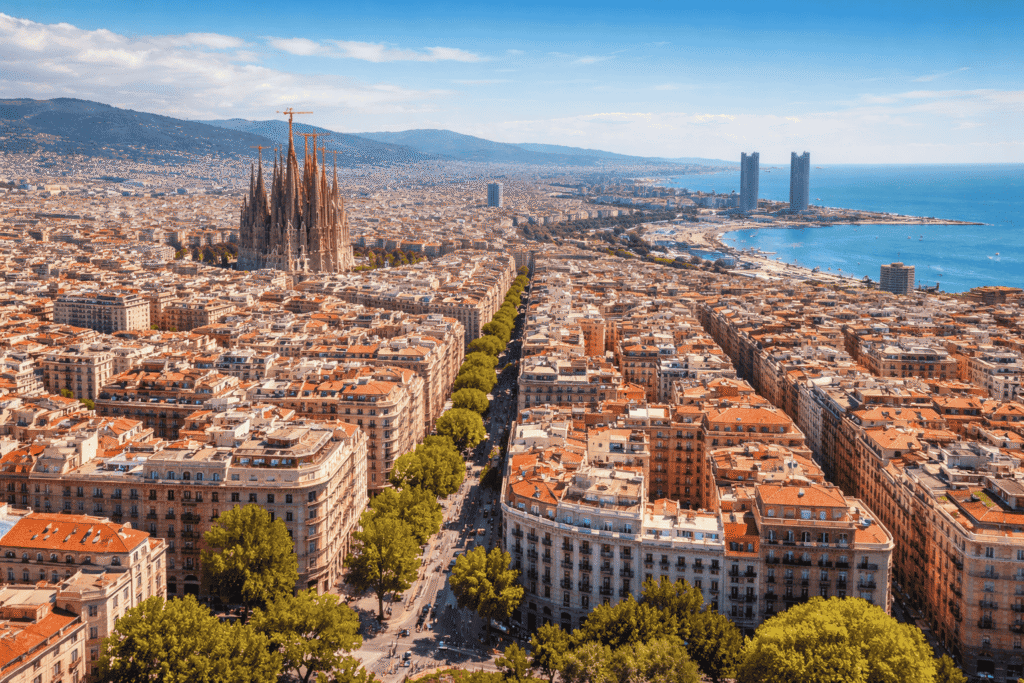
Barcelona offers a perfect mix of culture, beach, and lively city life, making it ideal for first-time Europe travelers. The city has a youthful, energetic vibe and is easy to explore on foot or by metro. You can combine sightseeing, local cuisine, and seaside relaxation all in one trip.
Best time to visit: May to June or September to October – Pleasant weather and fewer crowds than peak summer.
Budget level: Medium – Dining, public transport, and attraction tickets are generally affordable; luxury experiences like guided tours or rooftop dining can increase costs.
Ideal duration: 3–4 days – Enough to explore the main city highlights and enjoy some beach time.
Insider tip: For South Asian travelers, Barcelona’s late meal culture may take some getting used to lunch around 2 pm and dinner after 8 pm. Booking Sagrada Familia tickets online in advance is highly recommended to avoid long queues.
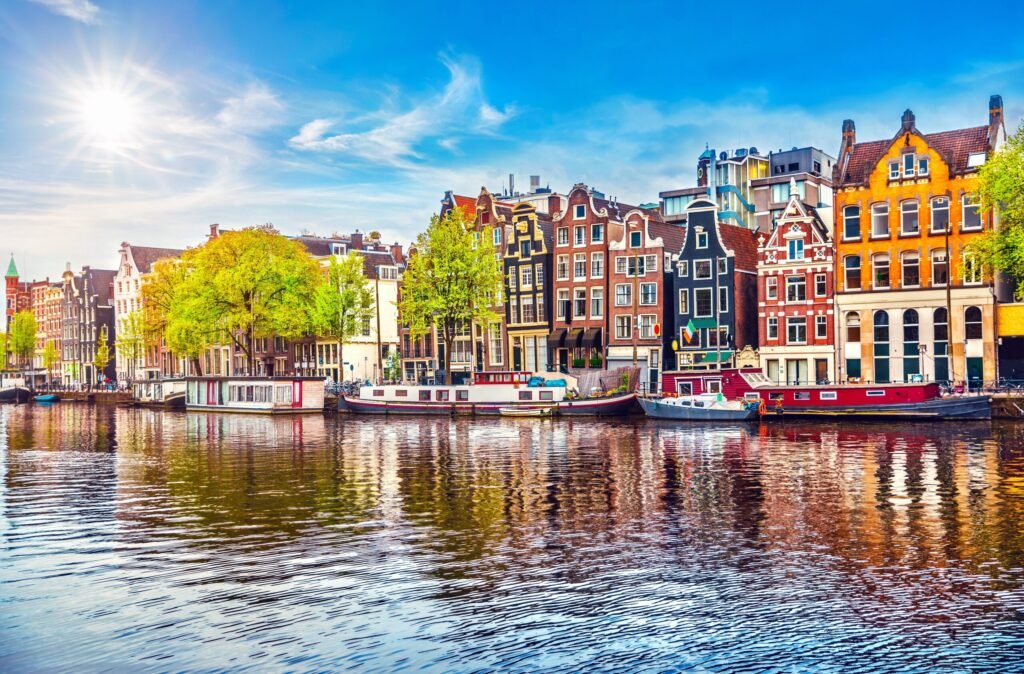
Amsterdam is perfect for beginners because it’s compact, walkable, and easy to navigate. The city’s canals, historic architecture, and bike-friendly streets make exploring fun and stress-free. It also has a relaxed, welcoming vibe and plenty of English is spoken, which is great for first-time travelers from South Asia.
Best time to visit: April to June (tulip season) or September to October – Mild weather and fewer crowds.
Budget level: Medium – Accommodation and food are reasonable; canal cruises and museum tickets are additional but manageable expenses.
Ideal duration: 2–3 days – Enough to explore key museums, canals, and neighborhoods without rushing.
Insider tip: Many South Asian travelers may find cycling culture unique—bikes have priority on most streets. Stick to walking in crowded areas and use public transport if unsure. Booking Anne Frank House tickets online is essential, as entry is strictly timed.
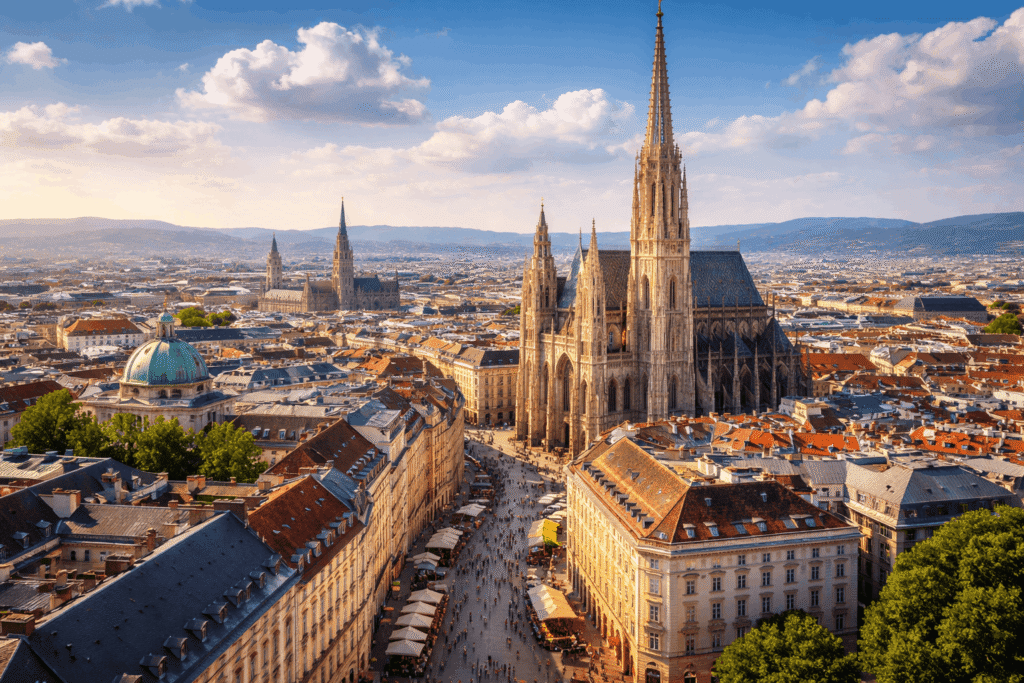
Vienna is clean, organized, and beginner-friendly, making it perfect for first-time Europe travelers. Its classical European architecture, grand palaces, and elegant streets give a sense of Europe’s history without the overwhelming crowds of cities like Paris. The city is also easy to navigate by public transport, which helps first-timers feel confident exploring.
Best time to visit: April to June or September to October – Pleasant weather and manageable tourist numbers.
Budget level: Medium – Public transport, cafes, and museums are affordable; attending concerts or fine dining can increase costs.
Ideal duration: 2–3 days – Enough to enjoy the main attractions and stroll through historic streets.
Insider tip: South Asian travelers may notice Vienna’s coffeehouse culture, meals, and drinks are enjoyed slowly, so plan some leisure time instead of rushing between attractions. Carrying a transit card for the U-Bahn (metro) can save both time and money.
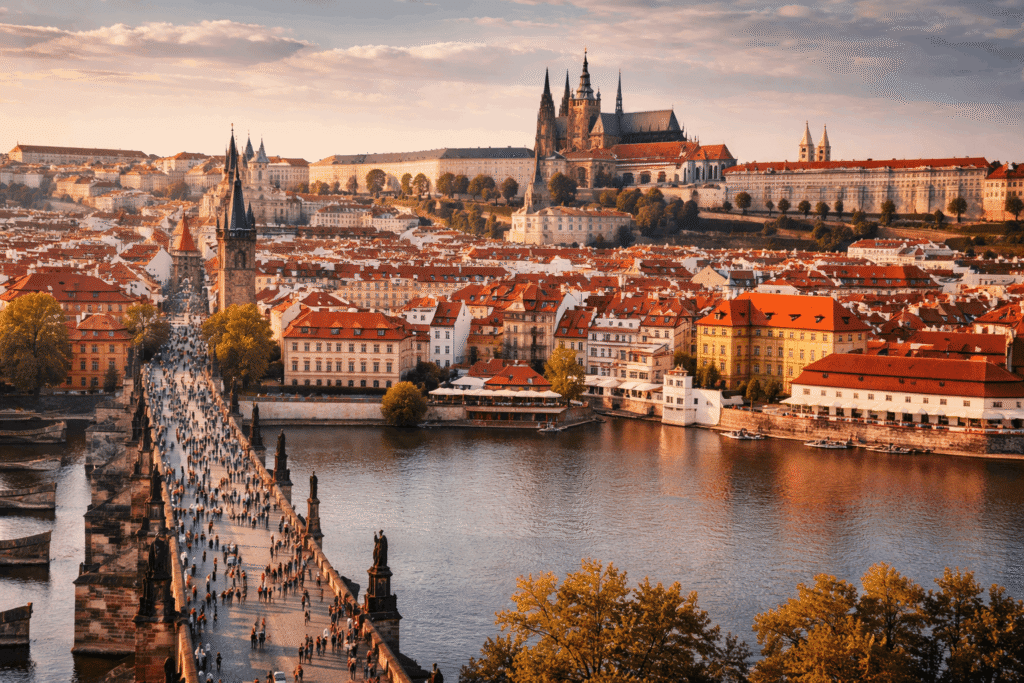
The list of the top 10 places to visit in Europe for first-time travelers is incomplete without Prague. It is a budget-friendly, beginner-friendly European gem. The city feels like a fairy tale with its cobblestone streets, colorful houses, and historic castles, yet it’s easy to navigate even for first-time travelers. Compared to Western Europe, Prague offers great value without compromising on experiences, making it perfect for travelers watching their budget.
Best time to visit: May to September – Pleasant weather and lively street life. December – For a magical Christmas market experience.
Budget level: Low – Accommodation, meals, and sightseeing are much more affordable than Paris, Rome, or Switzerland.
Ideal duration: 2–3 days – Enough to cover key sights while enjoying the city’s relaxed pace.
Insider tip: South Asian travelers may enjoy local cuisine like goulash and trdelník, but be aware that tipping practices differ;r around 10% is customary. Using Prague’s efficient tram system is the easiest way to get around without confusing routes.
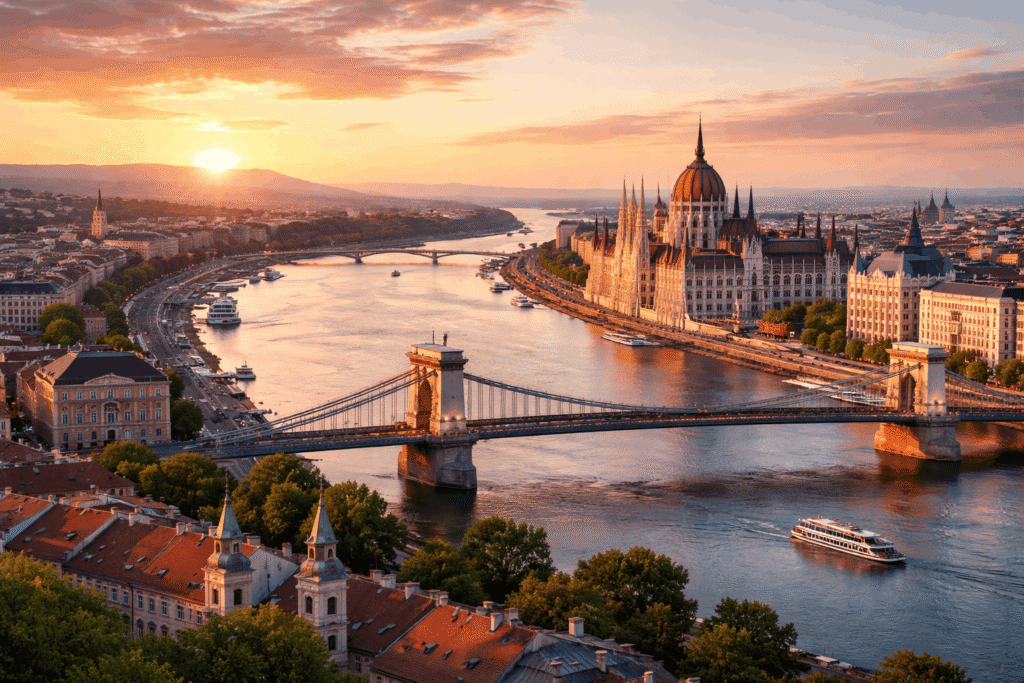
Budapest is a perfect mix of relaxation, culture, and nightlife, making it great for first-time Europe travelers. The city is known for its thermal baths, historic architecture, and vibrant nightlife, yet it remains affordable compared to Western European capitals. It’s beginner-friendly, walkable in key areas, and offers unique experiences that you won’t find elsewhere.
Best time to visit: March to May or September to November – Mild weather, fewer tourists, and comfortable for sightseeing and baths.
Budget level: Low – Meals, transport, and attractions are very affordable; spa entry fees are reasonable for a European city.
Ideal duration: 2–3 days – Enough to enjoy main attractions, a thermal bath experience, and a night out.
Insider tip: South Asian travelers may find thermal baths a new cultural experience. Swimwear is mandatory, and many baths are gender-segregated in certain sections. Booking a bath session online can save waiting time. Evening walks along the Danube for sunset photos are highly recommended.
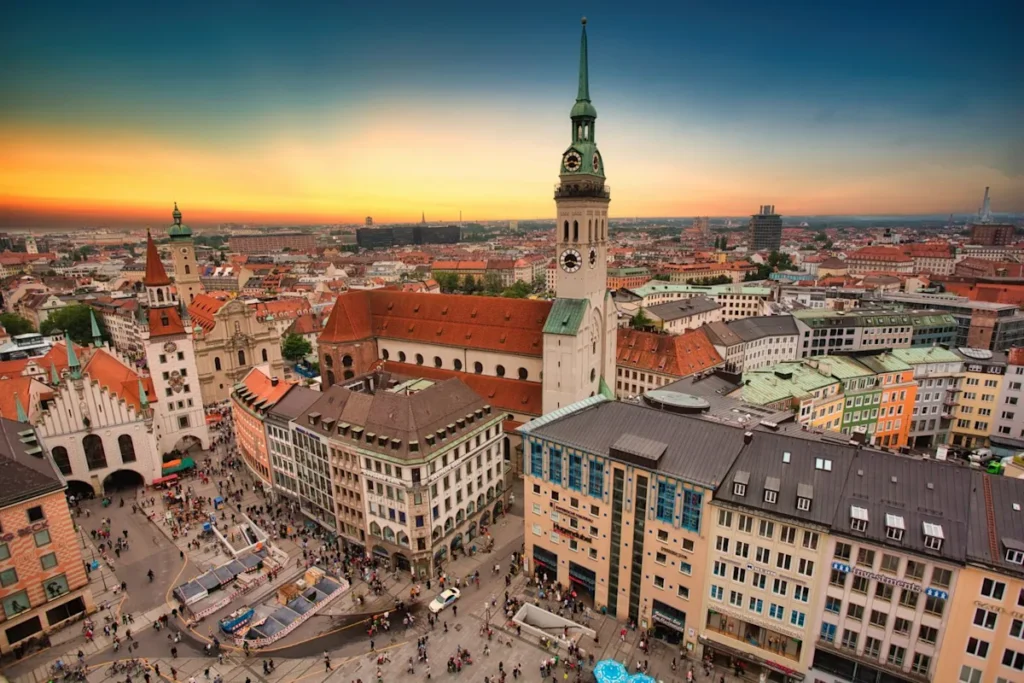
Munich is a well-organized, beginner-friendly city that gives a true taste of German culture. It’s perfect as a starting point for exploring the Alps or enjoying local traditions. The city is easy to navigate by public transport, and its mix of historic sites, beer gardens, and vibrant festivals makes it a memorable first Europe destination.
Best time to visit: May to September – Pleasant weather and festival season. Late September to early October – For Oktoberfest enthusiasts.
Budget level: Medium – Accommodation, meals, and entry fees are reasonable; festival periods may increase costs.
Ideal duration: 3 days – Enough to see the city highlights and take a day trip to the Alps or nearby castles.
Insider tip: South Asian travelers may find Bavarian food hearty. Try local specialties like pretzels, sausages, and schnitzel, but plan lighter meals if not used to heavy European cuisine. Using Munich’s efficient U-Bahn and S-Bahn makes exploring easy.
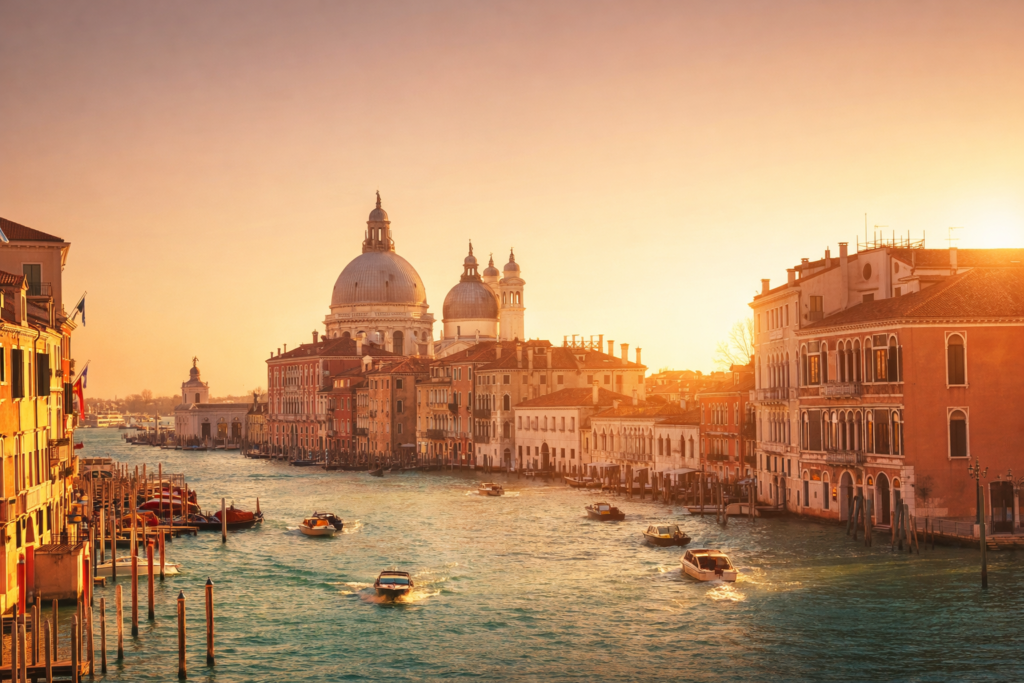
Venice offers a one-of-a-kind European experience that first-time travelers won’t forget. With its romantic canals, charming bridges, and historic piazzas, the city is compact and easy to explore on foot or by boat. It’s perfect for travelers who want something unique beyond the usual city streets and museums.
Best time to visit: April to June or September to October – Comfortable weather and fewer crowds than peak summer.
Budget level: Medium – Gondola rides and popular attractions can be pricey, but meals and accommodations range from budget to mid-tier.
Ideal duration: 2–3 days – Enough to enjoy the canals, main landmarks, and some offbeat alleys.
Insider tip: South Asian travelers should note that Venice can get crowded quickly, especially around St. Mark’s Square. Early morning or late evening walks along quieter canals provide a more peaceful experience. Pre-book gondola rides online to avoid long waits and higher fees.
Day | Destination | Activities / Highlights | Notes / Tips |
1 | Paris, France | Arrival, evening walk along the Seine, Eiffel Tower at night | Use the metro for easy transport; wear comfortable shoes |
2 | Paris, France | Louvre Museum, Notre-Dame Cathedral, Montmartre | Pre-book Louvre tickets; start early to avoid crowds |
3 | Paris, France | Disneyland Paris or Musée d’Orsay | Allocate a full day for Disneyland; check opening hours |
4 | Switzerland (Lucerne) | Lake Lucerne boat ride, Chapel Bridge, Old Town stroll | Purchase a Swiss Travel Pass for trains and boats |
5 | Switzerland (Interlaken) | Jungfraujoch “Top of Europe,” explore alpine villages | Book Jungfraujoch train tickets in advance |
6 | Switzerland | Scenic train ride (GoldenPass Line), hiking, or cable car | Carry layers; the weather can change quickly in the Alps |
7 | Rome, Italy | Arrival, Colosseum, Roman Forum, Trevi Fountain | Use early morning to avoid long queues; the metro is convenient |
8 | Rome, Italy | Vatican City, St. Peter’s Basilica, Sistine Chapel | Pre-book Vatican tickets; modest dress for churches |
9 | Venice, Italy | Gondola ride, St. Mark’s Square, Rialto Bridge | Explore canals early morning for fewer crowds |
10 | Venice / Departure | Leisurely walk, shopping, departure | Keep luggage light for easy walking; plan transport to the airport/train |
Costs can vary across Europe, so knowing which cities are more affordable is key for first-time travelers. Here’s a quick comparison of budget levels by destination:
City | Budget Level | Estimated Daily Spend (PKR)* |
Paris, France | High | PKR 42,750 – 71,250 per day |
Switzerland (Interlaken & Lucerne) | High | PKR 51,300 – 85,500 per day |
Prague, Czech Republic | Moderate | PKR 19,950 – 34,200 per day |
Budapest, Hungary | Budget-friendly | PKR 14,250 – 25,650 per day |
Europe travel for beginners involves more than booking flights and hotels. Understanding the Schengen visa process, financial requirements, and travel insurance is essential.
With careful preparation, first-time travelers from Pakistan can avoid stress, maximize their itinerary, and enjoy a smooth, memorable journey across multiple European countries.
The Schengen visa allows travelers to visit 27 European countries with just one application. First-timers should clearly outline their travel plan, including entry and exit points, hotel bookings, and flights.
Applying 3–4 weeks in advance gives you flexibility, reduces stress, and increases the chance of visa approval for a multi-country trip.
European embassies require proof of sufficient funds to cover daily expenses, accommodation, and transportation.
For Pakistani travelers, a rough estimate is PKR 15,000–30,000 per day, depending on the country. Maintaining a stable bank statement for 3–6 months and showing savings or salary deposits strengthens your application and demonstrates financial reliability.
A Schengen visa mandates travel insurance with minimum coverage of €30,000 (PKR 9 lakh) for medical emergencies, hospitalization, and repatriation.
First-time travelers should also consider coverage for lost luggage, flight delays, and emergency evacuation. Having comprehensive insurance not only meets visa requirements but also ensures a stress-free and safe trip.
Planning a DIY Europe trip gives you complete flexibility; you choose your cities, pace, and attractions. However, it also requires more research, careful itinerary planning, and understanding local transport.
Language barriers in smaller towns can be challenging, and managing flights, trains, and accommodations on your own may be stressful for first-time travelers.
A guided Europe tour is perfect for first-time travelers who want a hassle-free experience. These tours are time-efficient, cover major attractions, and often include visa assistance, airport transfers, and expert local guides.
You can focus on enjoying the sights and culture without worrying about logistics, making it ideal for beginners.
If you enjoy planning and flexibility, a DIY trip can be rewarding—but it demands extra effort. For a smooth, well-organized first Europe experience, guided tours offer convenience, safety, and insider knowledge.
Explore our Europe tour packages to find guided options that suit your first-time travel needs and budget.
Planning your first European trip can feel overwhelming, but focusing on beginner-friendly destinations makes it much easier and more enjoyable. From the romantic streets of Paris to the scenic Alps in Switzerland, the historic charm of Rome and Prague, the vibrant vibes of Barcelona and Budapest, and the cultural elegance of Vienna and Venice, each city offers unique experiences for first-time travelers.
By following practical tips, considering budgets, and choosing the right balance between DIY and guided tours, you can make the most of your journey. These top 10 places to visit in Europe for first-time travelers will ensure memories that last a lifetime.
1. Which European country is best for a first trip?
For beginners, France, Italy, Switzerland, and the Netherlands are ideal. They’re easy to navigate, safe, and packed with iconic sights.
2. Is Europe safe for Pakistani travelers?
Yes! Europe is generally safe. Stick to tourist areas, follow local rules, and stay aware of your surroundings for a smooth trip.
3. How many days are needed for a first Europe trip?
A 10–14-day trip works well. It allows time for 2–3 cities without rushing and still enjoying iconic landmarks.
4. Is English widely spoken in Europe?
In most tourist areas, yes. Major cities and attractions use English, though learning a few local phrases is helpful.
5. What is the best month to visit Europe?
April–June or September–October is ideal. The weather is pleasant, crowds are smaller, and sightseeing is far more enjoyable.
6. Do I need travel insurance for Europe?
Yes. A Schengen visa requires insurance covering €30,000. It also protects you from medical emergencies, delays, or lost luggage.
7. How much budget should I plan per day?
It depends on the city. Budget-friendly cities like Budapest cost PKR 15–25k, Paris or Switzerland can reach PKR 40–85k daily.
Yes! A Schengen visa lets you explore 27 countries, making multi-country trips easy and ideal for first-time travelers.