
Performing Umrah is one of the most spiritually transformative experiences in a Muslim’s life. While the rituals at Masjid al-Haram form the heart of the pilgrimage, the journey becomes deeply enriching when you visit the historical and sacred sites scattered across Makkah and Madinah. These places connect you with the lived reality of Prophet Muhammad ﷺ, his companions, and the foundational moments of Islamic history. If you are planning your sacred journey, this comprehensive guide from Uniworld Travel & Tours a trusted travel agency in Karachi walks you through every important place to visit in Makkah and Madinah during Umrah, with timings, significance, and practical tips.
Whether you are a first-time pilgrim booking a 15-day Umrah package or an experienced traveler exploring our 28-day Umrah package, this guide will help you plan a meaningful ziyarat itinerary that complements your worship not competes with it.
The most important places to visit in Makkah during Umrah are Masjid al-Haram (the Grand Mosque housing the Kaaba), Safa and Marwah, Maqam-e-Ibrahim, the Zamzam Well, Jabal al-Noor (Cave of Hira), Jabal Thawr (Cave of Thawr), Jannat al-Mu’alla, Mount Arafat (Jabal al-Rahmah), Mina, Muzdalifah, and Masjid Aisha (Taneem). In Madinah, the top ziyarat sites are Masjid an-Nabawi (with the Prophet’s Tomb and Riyadh-ul-Jannah), Jannat al-Baqi, Masjid Quba (the first mosque in Islam), Masjid al-Qiblatain, Mount Uhud, the Seven Mosques (Sab’a Masajid), and Masjid al-Ghamamah. These sacred sites provide spiritual depth, historical context, and a profound emotional connection to early Islamic history. Most are accessible within a 1–3 hour radius of the central Haram in each city. |
Umrah is technically completed with four core rituals Ihram, Tawaf, Sa’i, and Halq/Taqsir. However, traveling thousands of miles to the holy land and limiting your experience only to these rituals would mean missing the very landscape where Islam was born. Each mountain, cave, mosque, and cemetery in Makkah and Madinah carries a story that deepens your understanding of the Prophet ﷺ’s struggle, patience, and triumph.
Visiting historical and religious sites known as Ziyarat is highly recommended though not mandatory. When you stand at the foot of Jabal al-Noor, you understand the solitude in which the first revelation came. When you walk through Mount Uhud, you feel the weight of sacrifice. When you pray two rakahs in Masjid Quba, you earn the reward equivalent to performing an Umrah.
Our experienced team at Uniworld Travel & Tours includes guided ziyarat tours in nearly all our Umrah packages from Karachi so you experience these sites with proper context, comfortable transport, and adequate time for reflection.
Makkah, the holiest city in Islam, is the birthplace of Prophet Muhammad ﷺ and home to the Kaaba the qibla of every Muslim’s prayer. Beyond the Grand Mosque, the city is surrounded by mountains, valleys, and historical landmarks that shaped the earliest years of the Islamic faith. Here are the must-visit places in Makkah during your Umrah journey.
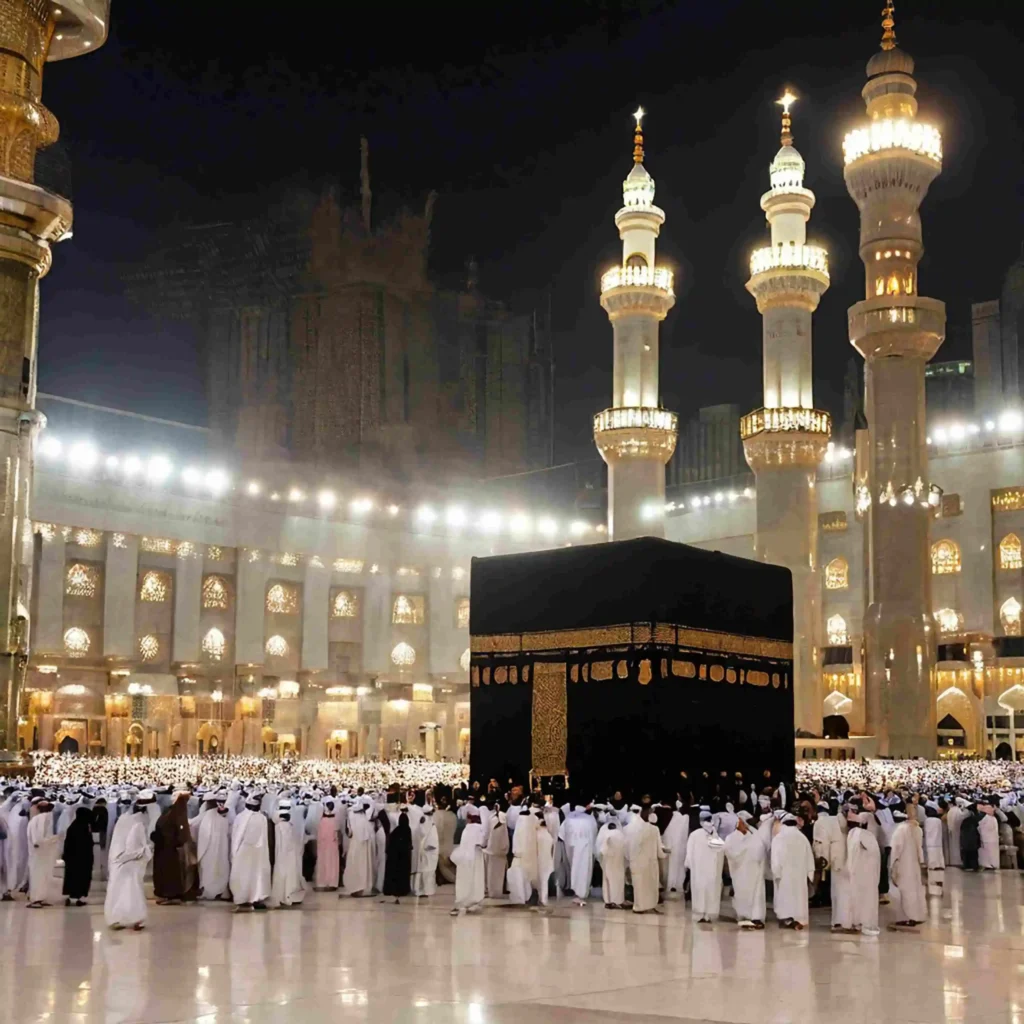
Masjid al-Haram is the holiest mosque in Islam and the most visited place in Makkah. It surrounds the Kaaba the cube-shaped structure that Muslims face during their five daily prayers. Originally built by Prophet Ibrahim (AS) and his son Ismail (AS), the mosque has been expanded multiple times by various Islamic caliphates and the Saudi government. Today, it can accommodate over 2 million worshippers during peak Umrah and Hajj seasons.
Significance: This is where the entire Umrah pilgrimage begins and ends. Tawaf (circumambulation of the Kaaba) and Sa’i (walking between Safa and Marwah) are both performed within the mosque complex.
Pro Tip: Try to stay in a hotel within walking distance of the Haram most Uniworld Umrah packages include hotels within 100–500 meters of the mosque to maximize your worship time.
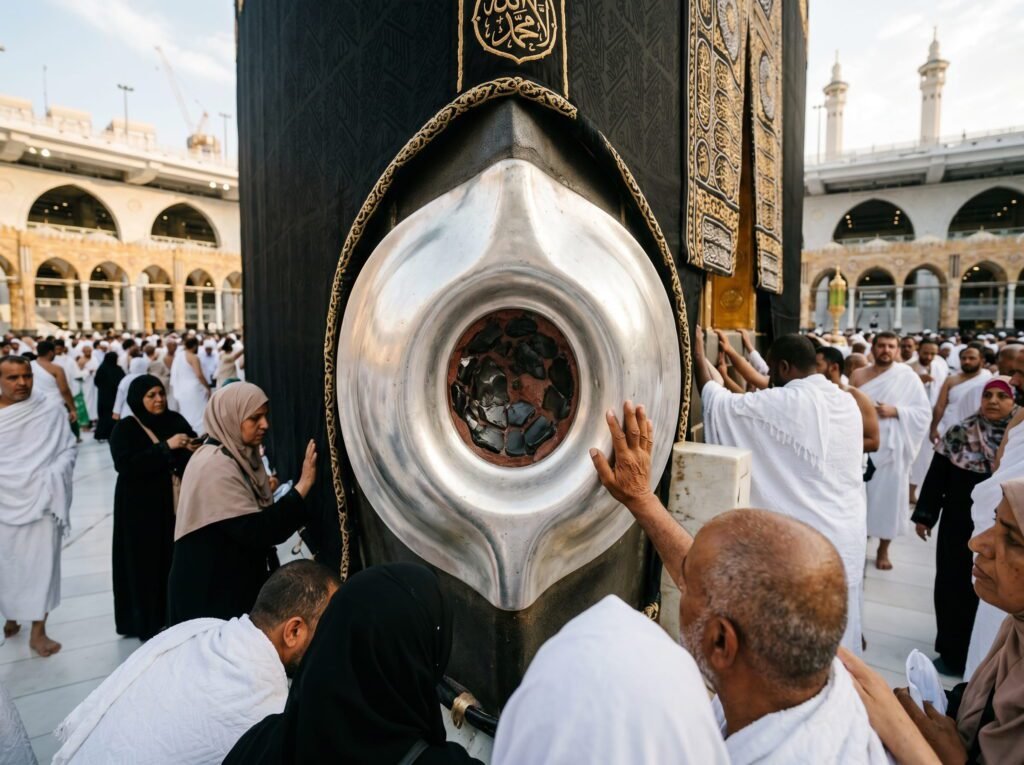
The Kaaba is the focal point of Islamic worship, draped in the iconic black Kiswah embroidered with gold-thread Quranic verses. Embedded in its eastern corner is the Hajar al-Aswad (Black Stone), believed to have been sent down from Paradise. Pilgrims attempt to kiss or touch the Black Stone during Tawaf, following the practice of Prophet Muhammad ﷺ, though pointing towards it is acceptable when crowds are heavy.
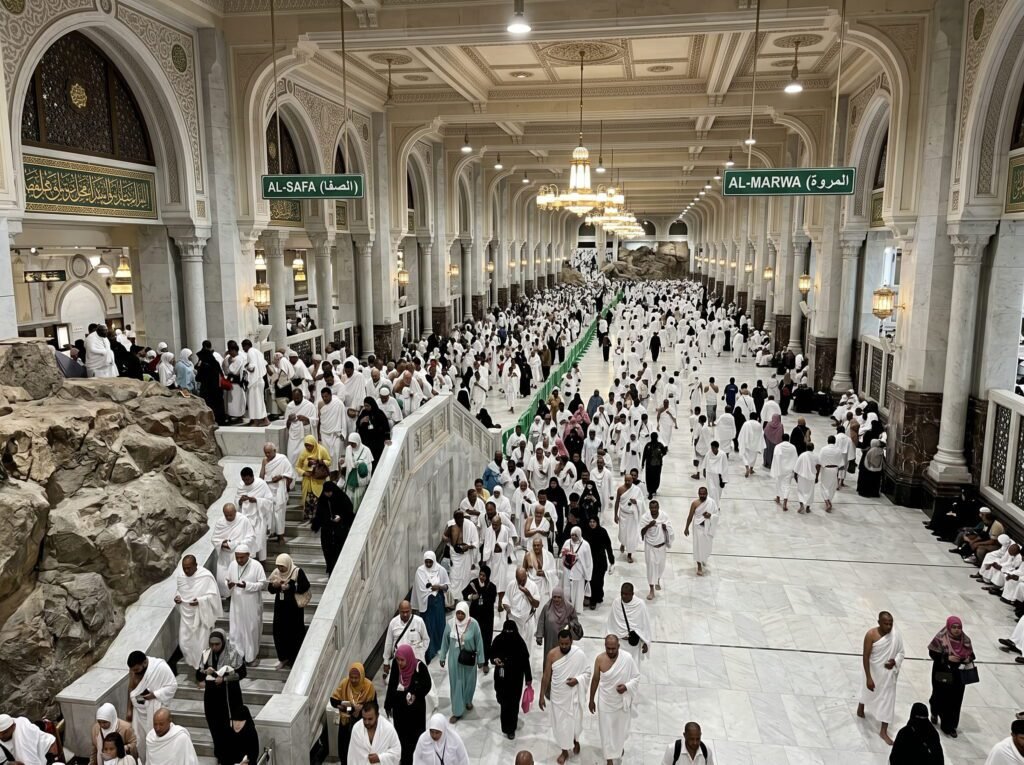
Located inside Masjid al-Haram, these two small hills commemorate the desperate search of Hajar (AS), the wife of Prophet Ibrahim (AS), for water for her infant son Ismail (AS). Her seven trips between these hills are reenacted by every pilgrim during Sa’i, a core pillar of Umrah. The path is now a fully air-conditioned, marble-tiled corridor approximately 450 meters long, traversed seven times for a total of 3.15 km.
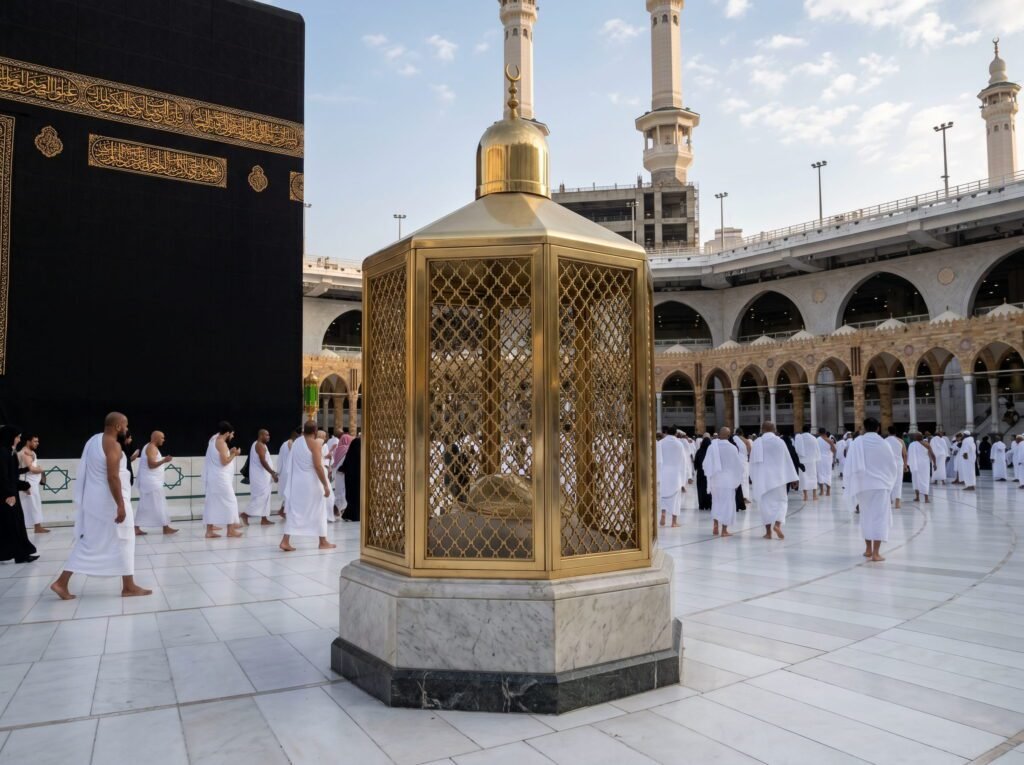
This is a small glass-encased structure near the Kaaba that contains the stone on which Prophet Ibrahim (AS) stood while building the Kaaba. The stone bears the imprint of his footprints. After completing Tawaf, pilgrims pray two rakahs near Maqam-e-Ibrahim, fulfilling a Sunnah of the Prophet ﷺ.
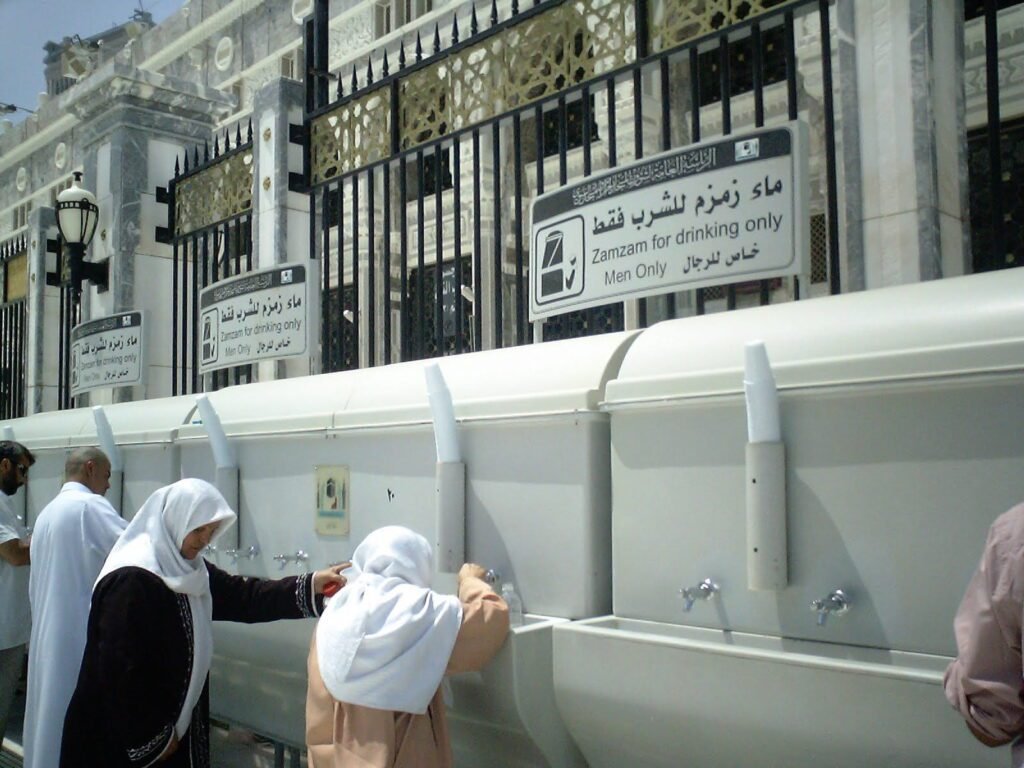
The Zamzam Well, located within Masjid al-Haram, has been flowing miraculously for over 4,000 years since Allah caused it to spring forth for baby Ismail (AS). Zamzam water is considered blessed and is believed to have healing properties. Pilgrims drink it during their visits and often carry sealed Zamzam bottles back home a sacred souvenir cherished by family and friends.
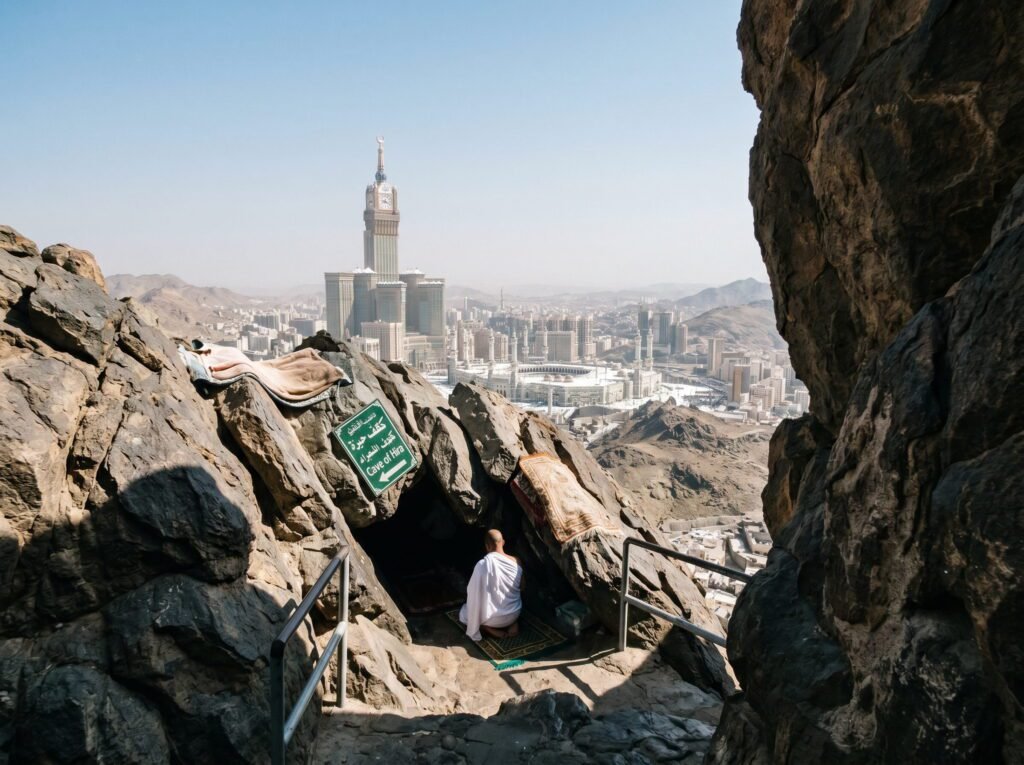
The Mountain of Light is one of the most spiritually significant sites in Makkah. At its summit lies the Cave of Hira, where Prophet Muhammad ﷺ received the first revelation of the Quran from Angel Jibreel (AS) at the age of 40. The hike to the summit takes approximately 1 to 1.5 hours and is physically demanding, but rewards visitors with panoramic views of Makkah and a profound sense of connection to the Prophet’s contemplative solitude.
Best Time to Visit: Early morning before sunrise to avoid the heat. Carry water, wear sturdy shoes, and avoid the climb if you have heart, knee, or breathing conditions.
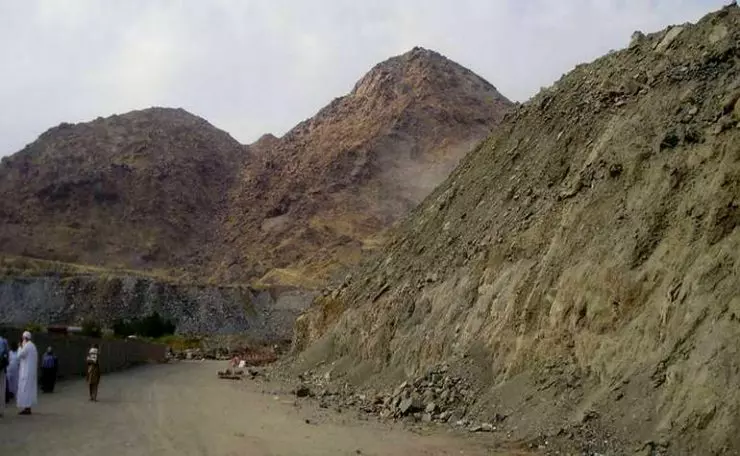
Jabal Thawr is the mountain south of Makkah where Prophet Muhammad ﷺ and his closest companion Abu Bakr (RA) hid for three days during their migration (Hijrah) to Madinah. As the Quraysh pursuers approached, Allah miraculously caused a spider to weave a web and a dove to nest at the cave’s entrance, making it appear undisturbed. The climb is steeper and more strenuous than Jabal al-Noor, so most pilgrims simply view the mountain from a designated stop.
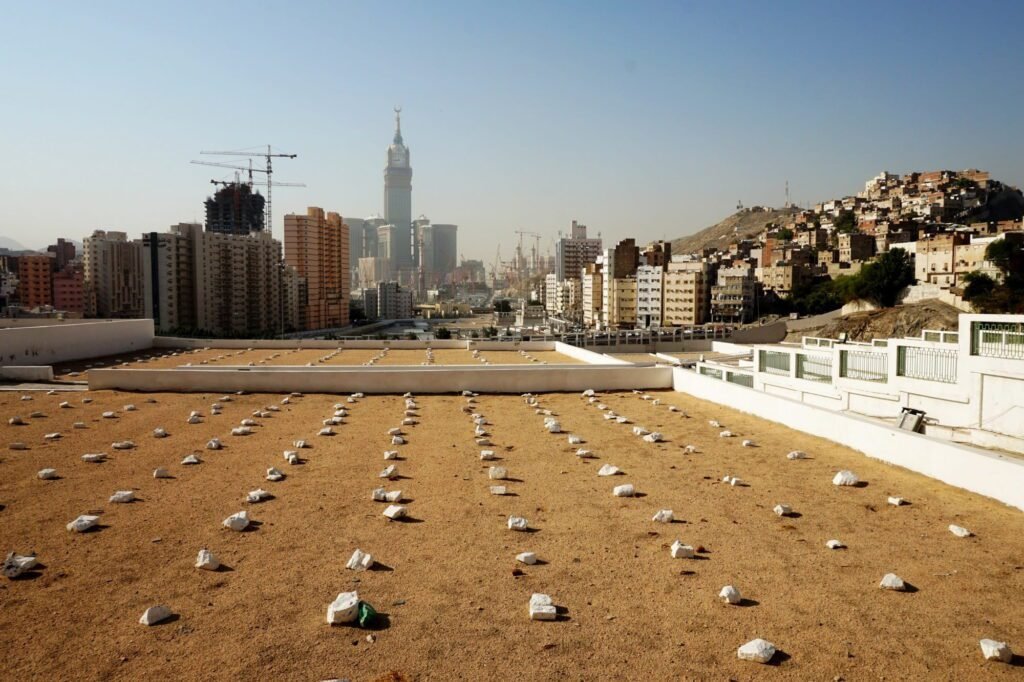
Located near Masjid al-Haram, Jannat al-Mu’alla is the second-most famous cemetery in the Islamic world. It holds the graves of many of the Prophet ﷺ’s beloved family members, including his wife Khadijah (RA), his grandfather Abdul Muttalib, his uncle Abu Talib, and his son Qasim. Visiting this cemetery is a moving experience a quiet reminder of mortality and the people who shaped the Prophet’s life.
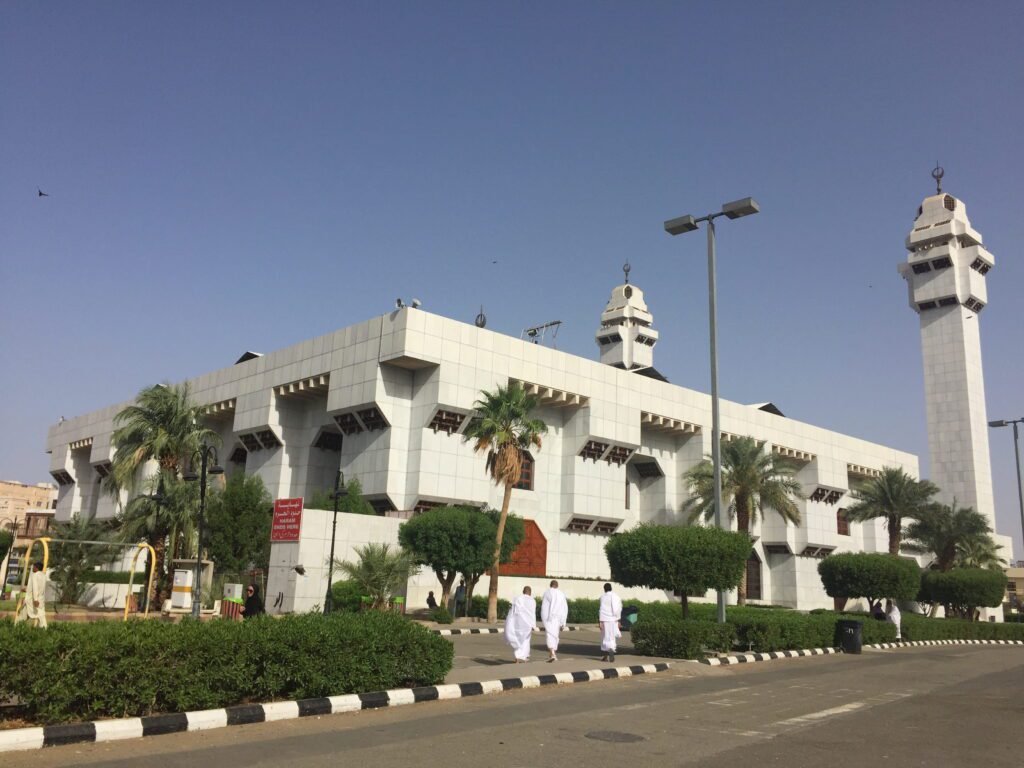
Located approximately 7 km from Masjid al-Haram, this mosque is the closest Miqat point for pilgrims already inside Makkah who wish to perform another Umrah. It is named after Aisha (RA), the Prophet’s wife, who entered Ihram from this exact location after completing her Hajj. Many pilgrims who plan multiple Umrahs during their stay use this mosque to renew their Ihram.
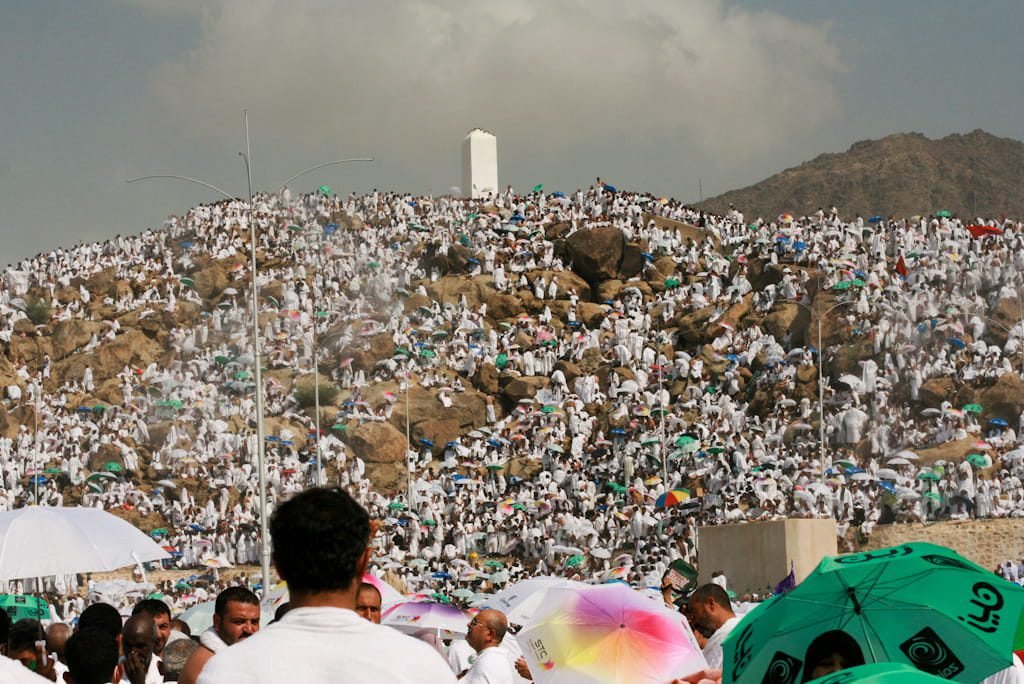
Located about 20 km southeast of Makkah, the plain of Arafat is where Prophet Muhammad ﷺ delivered his Farewell Sermon during his only Hajj. While Wuquf (standing) at Arafat is a Hajj ritual rather than an Umrah requirement, visiting Mount Arafat during your Umrah pilgrimage is highly meaningful. The 70-meter granite hill at its center, Jabal al-Rahmah (Mount of Mercy), is where pilgrims gather to make heartfelt duas.
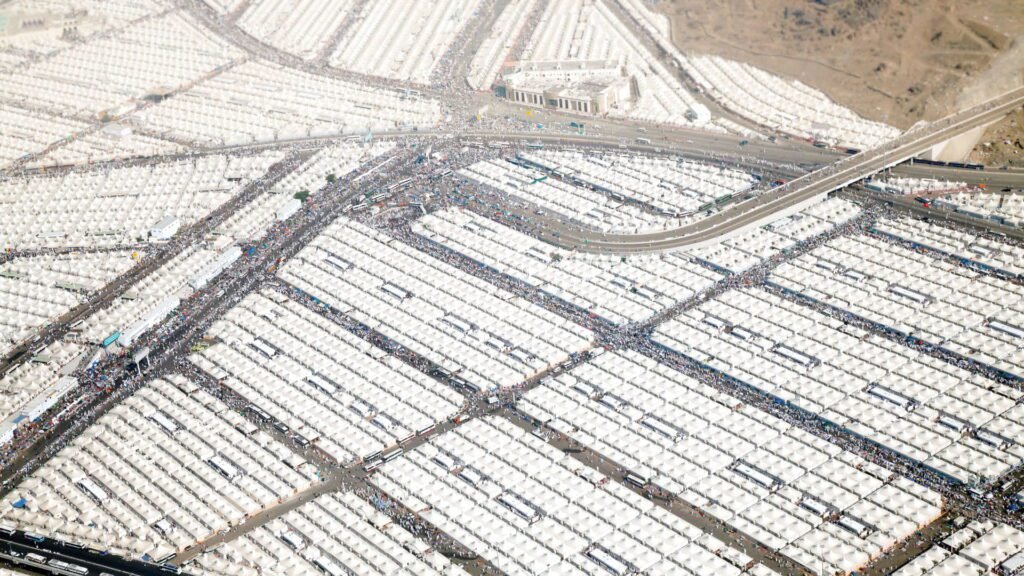
Mina is a valley about 5 km east of Makkah, famously known as the City of Tents because of the tens of thousands of fireproof tents that house Hajj pilgrims for several days each year. Mina is also home to the Jamarat the three pillars where pilgrims symbolically stone the devil during Hajj. Outside Hajj season, you can drive through Mina to understand the geography of the pilgrimage.
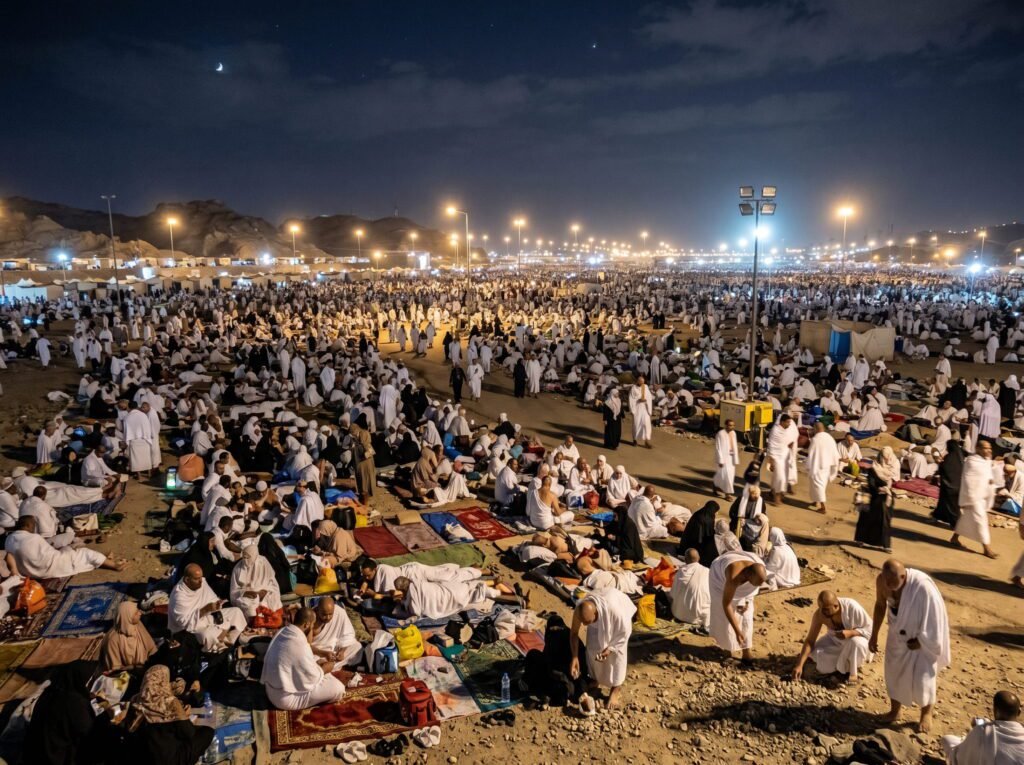
Muzdalifah is the open plain between Arafat and Mina where Prophet Muhammad ﷺ combined the Maghrib and Isha prayers during his Farewell Hajj. Pilgrims spend the night here under the open sky during Hajj. Visiting it during Umrah gives you a tangible sense of what millions of pilgrims experience during the great pilgrimage. If Hajj interests you, learn more about our Hajj packages from Pakistan.
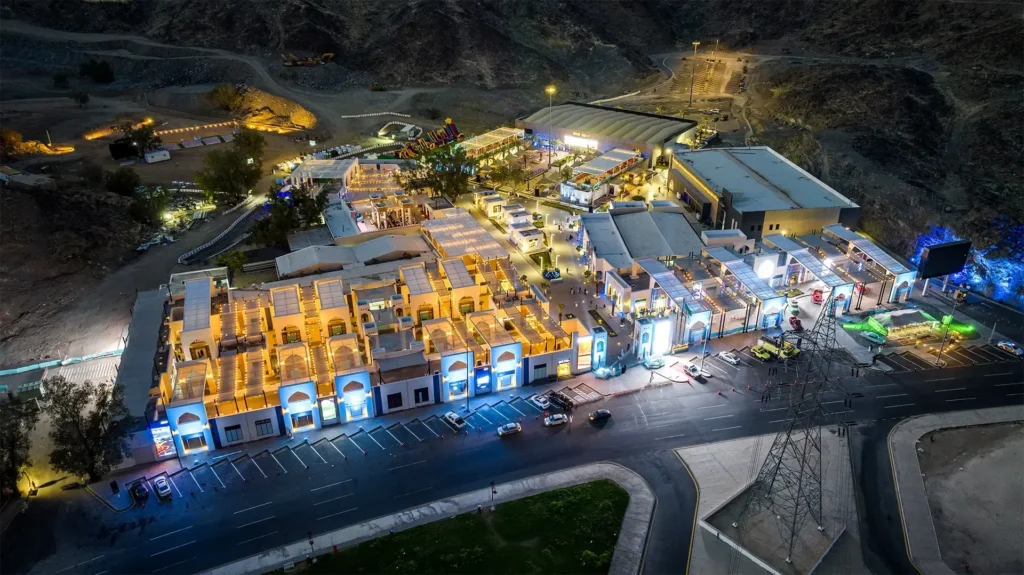
A relatively new addition to Makkah’s tourist landscape, the Hira Cultural District at the foot of Jabal al-Noor offers a beautiful experience for pilgrims interested in Islamic heritage. It features the Museum of the Holy Quran, the Cultural Library, an exhibition of the Revelation, restaurants, cafés, and shops. It is open Saturdays through Thursdays from 8:30 AM to 9:30 PM, and Fridays from 4:00 PM to 10:00 PM.
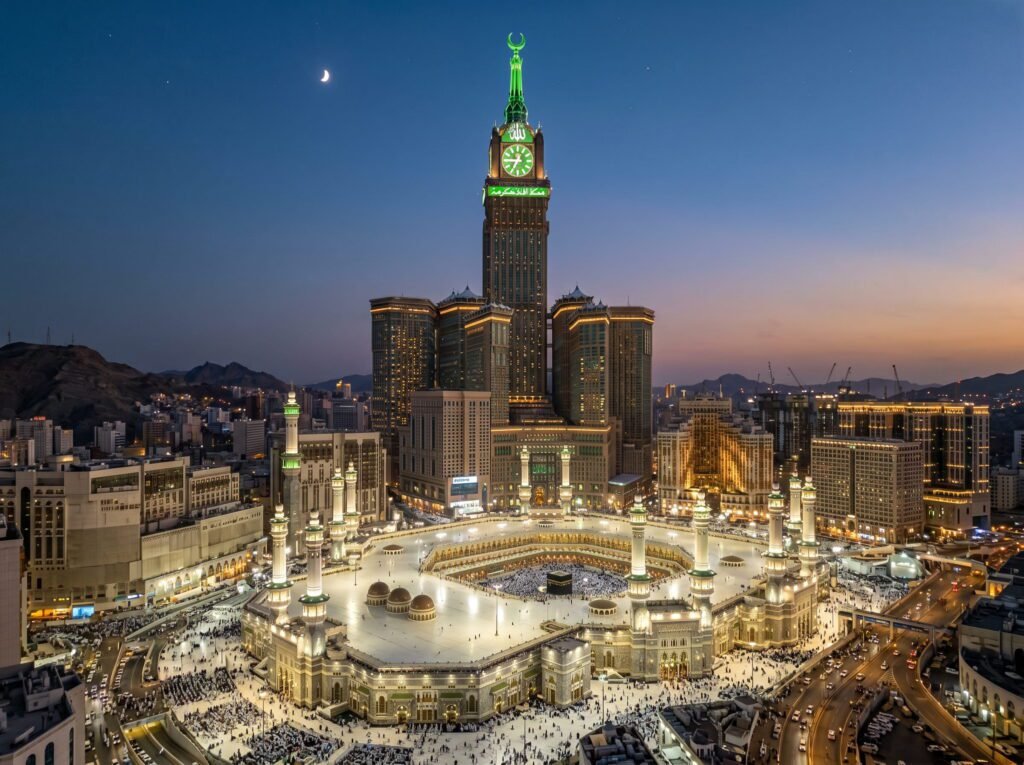
The Abraj Al-Bait complex, also known as the King Abdulaziz Endowment Project, towers over the Grand Mosque. The Makkah Clock Royal Tower is among the tallest buildings in the world, and it houses the Clock Tower Museum a 4-floor exhibition explaining the clock’s design and Saudi Arabia’s astronomical heritage. The complex also features luxury hotels, a vast prayer area, and a shopping mall making it a convenient base for pilgrims who want premium accommodations.
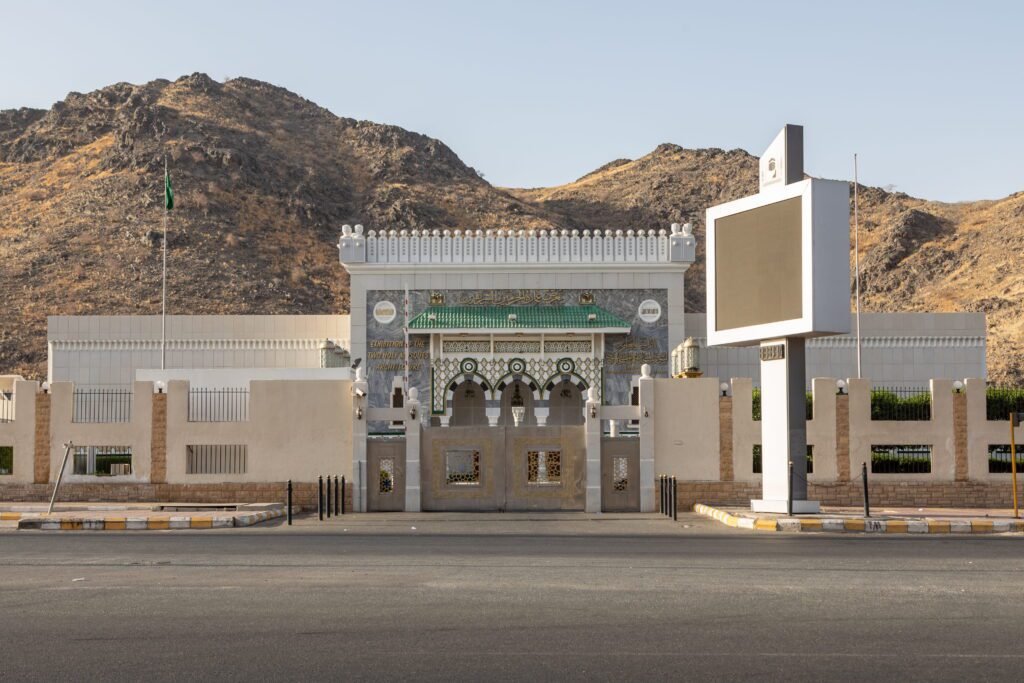
Located on the northwestern edge of Makkah, this museum showcases the architectural evolution of Masjid al-Haram and Masjid an-Nabawi over 14 centuries. You’ll see scale models, original doors of the Kaaba, vintage photographs, and historical artifacts that depict the expansions and renovations carried out across different Islamic eras. Entry is free, and it’s an excellent stop for families with curious children.
Madinah, the second holiest city in Islam, is approximately 450 km north of Makkah. Known as “the city of the Prophet”, Madinah is where Prophet Muhammad ﷺ migrated, established the first Islamic state, and is buried. Most pilgrims visit Madinah after completing their Umrah rituals in Makkah. The atmosphere here is famously serene many travelers describe Madinah as being filled with a calm spiritual energy unlike anywhere else on earth.
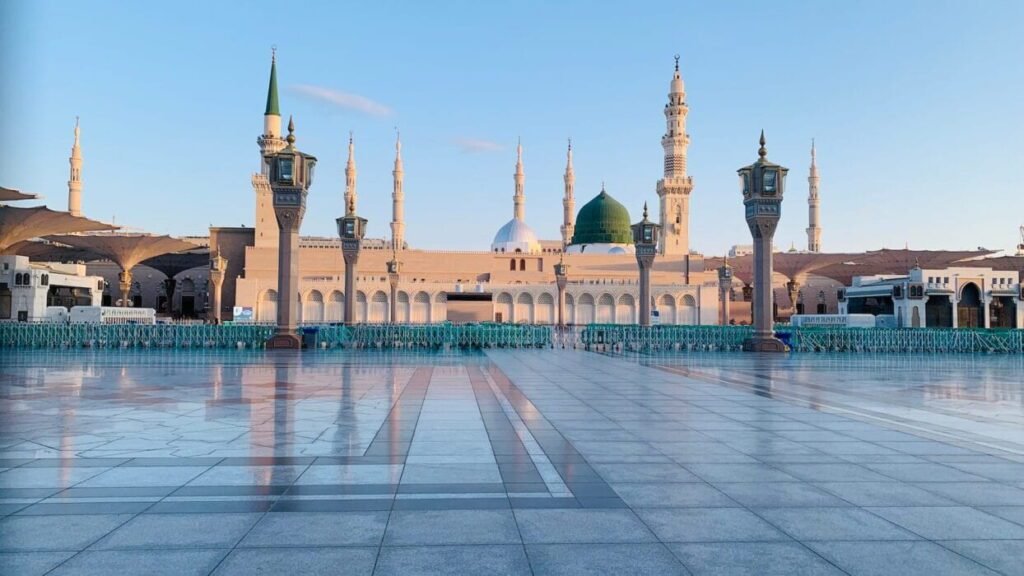
Masjid an-Nabawi is the second holiest mosque in Islam, originally built by Prophet Muhammad ﷺ himself in 622 CE shortly after his migration to Madinah. The mosque has been expanded across various Islamic dynasties and now accommodates over a million worshippers. Praying inside Masjid an-Nabawi is highly virtuous one prayer here is equal to 1,000 prayers offered elsewhere (except in Masjid al-Haram). Spend as much time as you can in this blessed mosque during your Madinah stay.
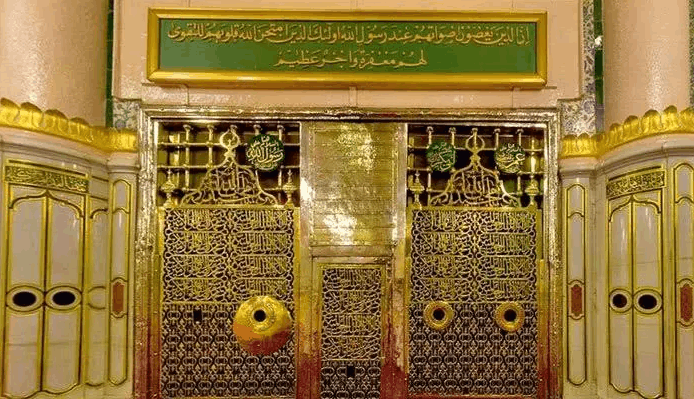
Within Masjid an-Nabawi lies Roza-e-Rasool the blessed grave of Prophet Muhammad ﷺ flanked by the graves of his closest companions, Abu Bakr (RA) and Umar ibn al-Khattab (RA). Adjacent to it is Riyadh-ul-Jannah (the Garden of Paradise), the area between the Prophet’s house and his pulpit, marked by a green carpet. The Prophet ﷺ said this area is literally a garden of Paradise. Praying two rakahs here is a profound experience that pilgrims wait years for. Permits are now required to visit the Rawdah and can be booked through the official Nusuk app.
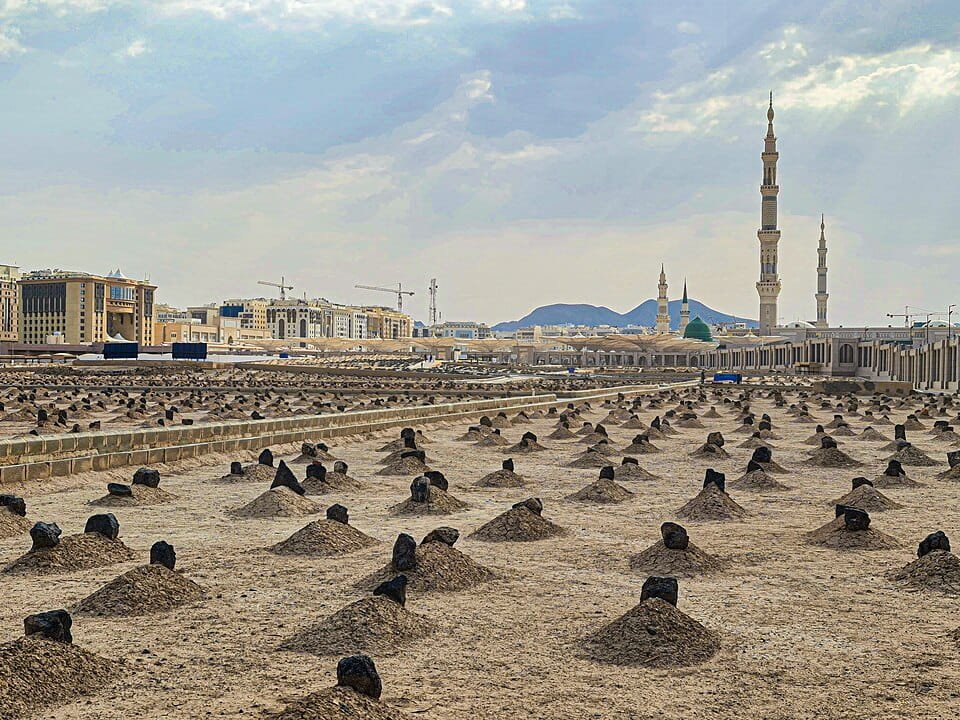
Located right beside Masjid an-Nabawi, Jannat al-Baqi is the principal cemetery of Madinah and one of the most important burial sites in Islam. It holds the graves of more than 10,000 of the Prophet ﷺ’s companions, family members, and scholars including his wives Aisha (RA) and Hafsa (RA), his daughter Fatimah (RA), his grandsons Hasan (RA), his uncle Abbas (RA), and Caliph Uthman (RA). The cemetery is open for male visitors after Fajr, Asr, and Maghrib prayers.
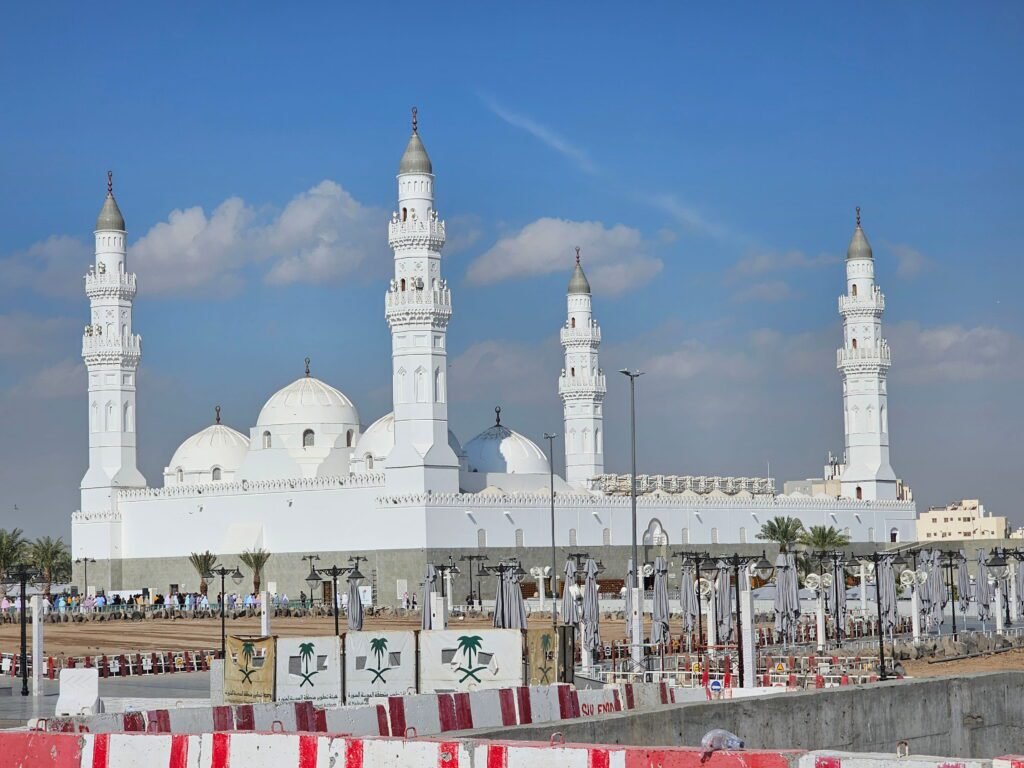
Masjid Quba, located 3.5 km south of Masjid an-Nabawi, holds a special place in Islamic history as the first mosque ever built in Islam. Prophet Muhammad ﷺ laid its foundation stones with his own blessed hands during his migration to Madinah. The Prophet ﷺ said that whoever performs ablution at home and prays two rakahs in Masjid Quba receives a reward equivalent to performing an Umrah. This makes Masjid Quba a must-visit for every Umrah pilgrim. The recently expanded mosque accommodates over 60,000 worshippers.
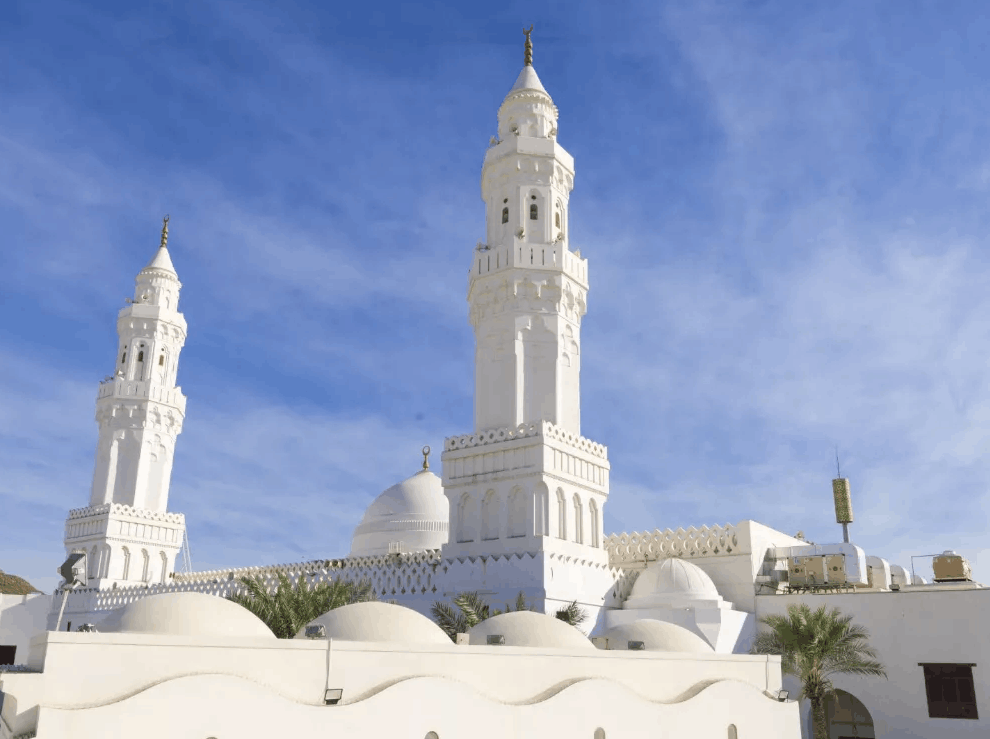
Masjid al-Qiblatain is unique in Islamic history because it is the mosque where Prophet Muhammad ﷺ received divine revelation to change the qibla from Masjid al-Aqsa in Jerusalem to the Kaaba in Makkah mid-prayer. The mosque originally had two prayer niches, one facing each direction, but the original niche facing Jerusalem has since been closed off. The renovated mosque is architecturally beautiful and quite peaceful for reflection.
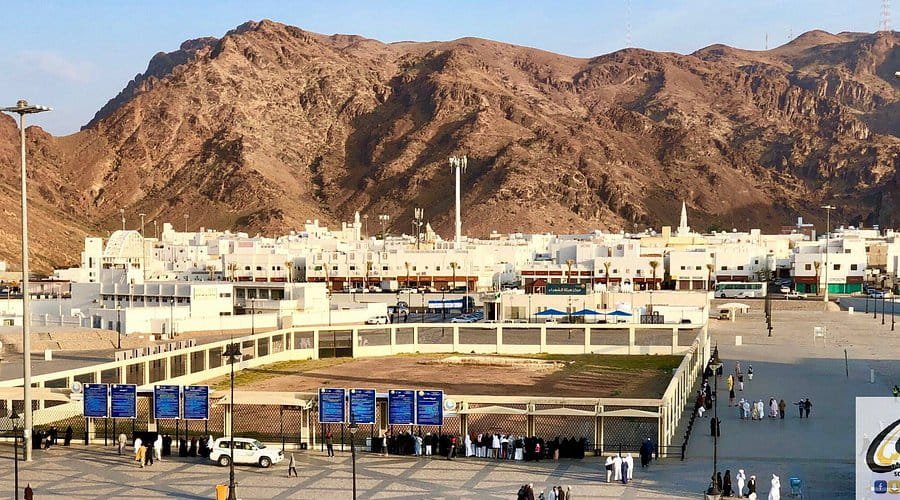
Mount Uhud, located about 5 km north of Madinah, is the site of the famous Battle of Uhud (625 CE), in which 70 Muslim martyrs gave their lives including Hamza (RA), the Prophet ﷺ’s beloved uncle. At the foot of the mountain is the cemetery of the Martyrs of Uhud, where pilgrims pay their respects. The mountain itself is one of the few places about which the Prophet ﷺ said: “Uhud is a mountain that loves us, and we love it.” Walking around this site provides powerful lessons in discipline, sacrifice, and faith.
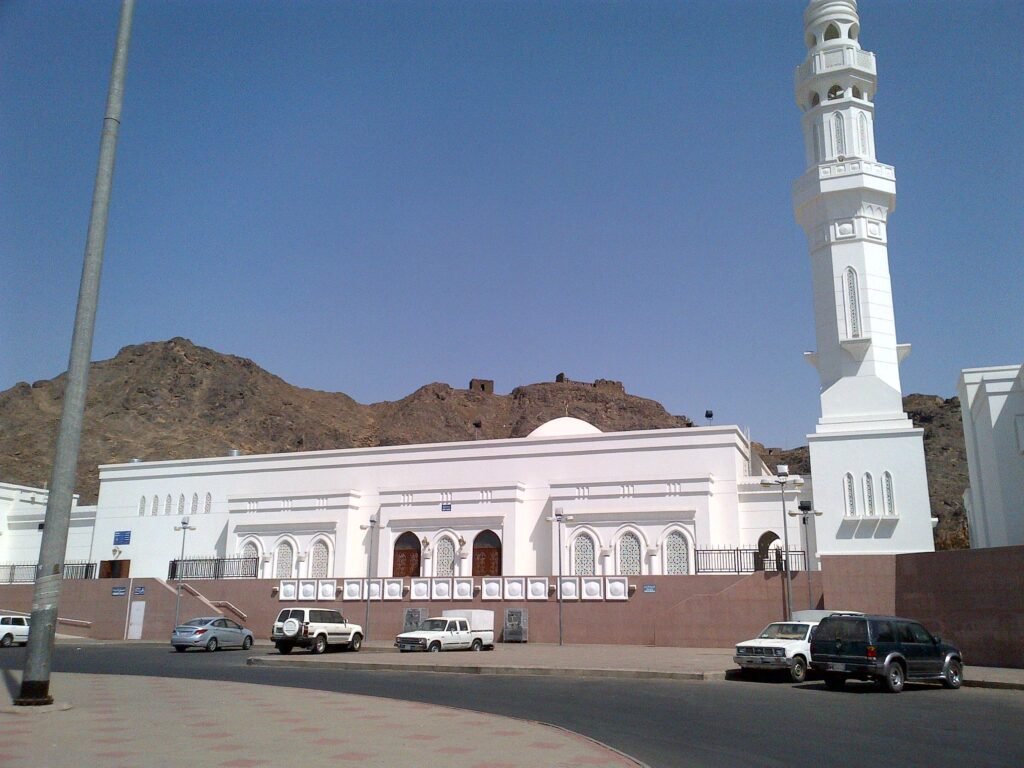
This is a complex of small historical mosques in Madinah marking key positions during the Battle of the Trench (Ghazwat al-Khandaq). Each mosque is named after a companion who was stationed there during the battle. The main mosques include Masjid al-Fath, Masjid Salman al-Farsi, Masjid Abu Bakr, Masjid Umar, Masjid Ali, and Masjid Fatimah. Several have been rebuilt or merged into a larger modern mosque, but the historical importance remains.
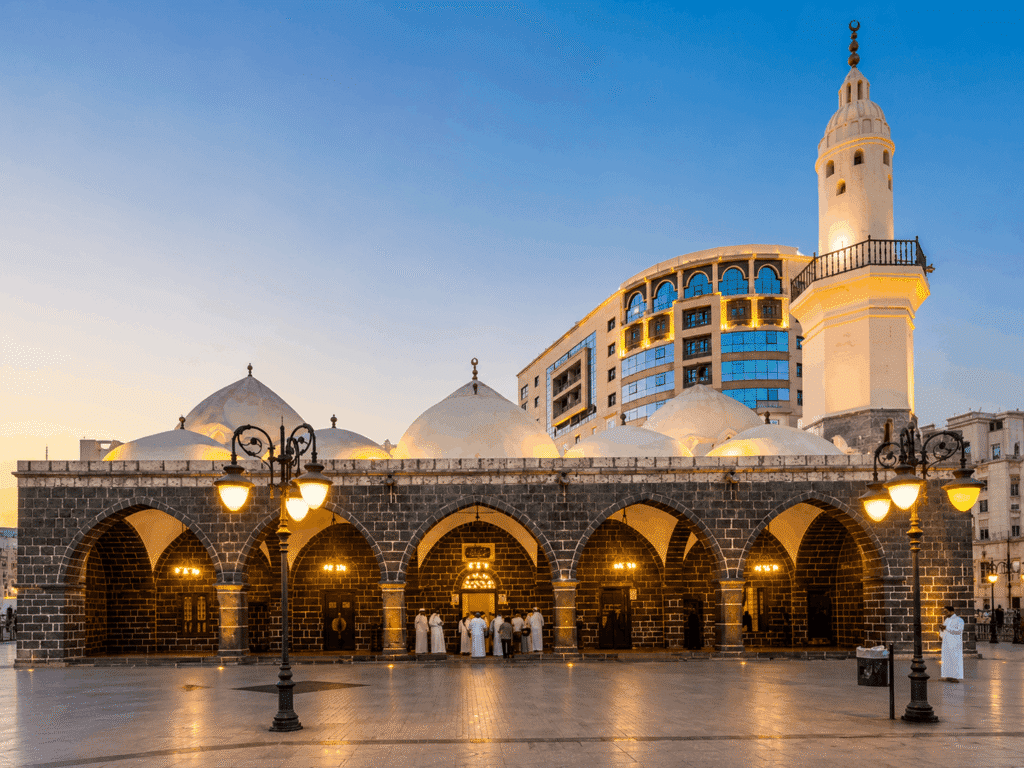
“Al-Ghamamah” means “The Cloud”. This mosque is named after a remarkable miracle: Prophet Muhammad ﷺ led Salatul Istisqa (the special prayer for rain) at this site during a drought, and within moments a cloud appeared and rain poured down. Located just a short walk from Masjid an-Nabawi, the mosque is closed for regular prayers but can be observed and admired from outside.
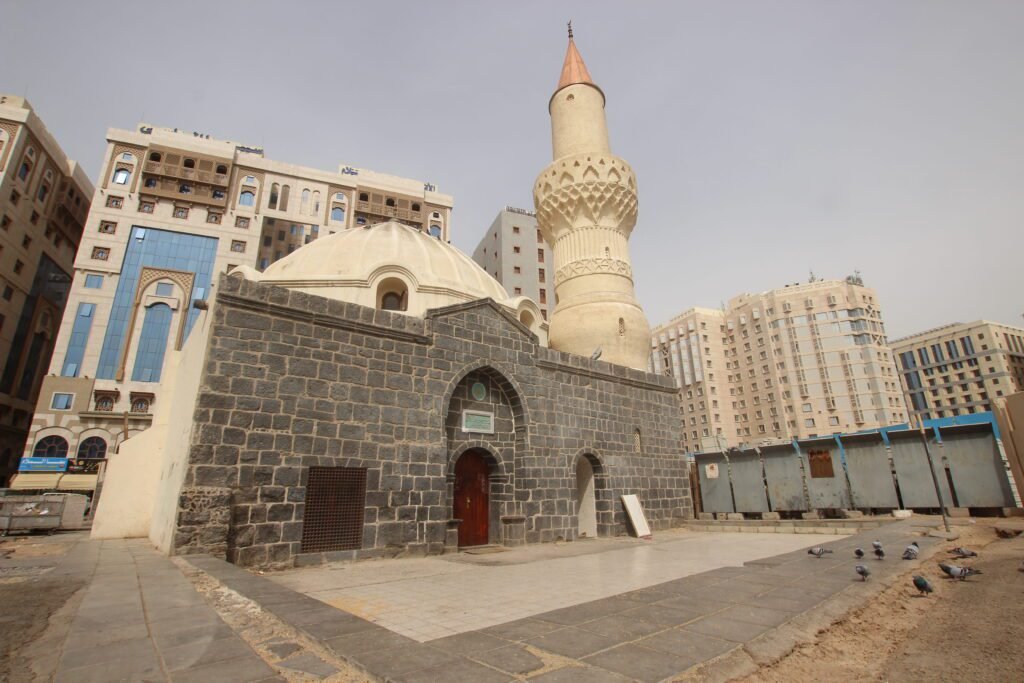
Located about 150 meters from Masjid an-Nabawi, this is one of the earliest mosques in Islam. It is named after Abu Bakr (RA), the Prophet’s closest friend and the first Caliph of Islam, who continued the practice of leading Eid prayers at this site after the Prophet ﷺ. It is a humble, quiet location often missed by hurried tour groups.
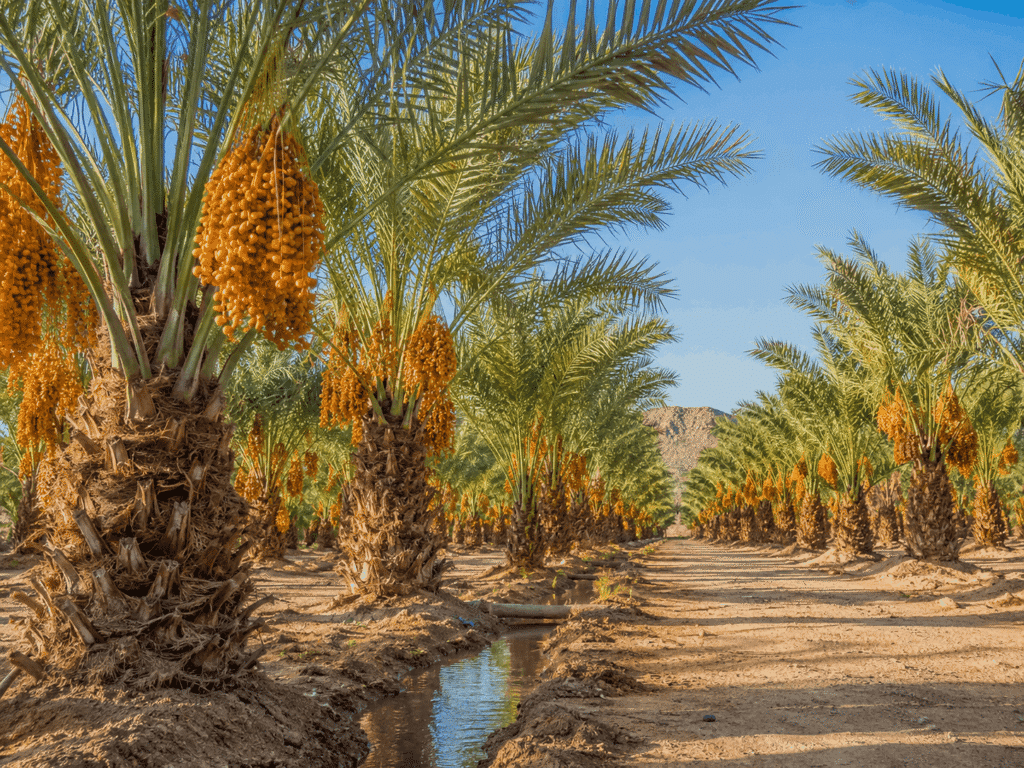
Madinah is famous for its dates particularly the prized Ajwa date, which the Prophet ﷺ said is from Paradise and is a cure for poison and magic. The Quba date market and surrounding date farms allow pilgrims to taste and buy dozens of varieties (Ajwa, Sukkari, Mabroom, Saghai, Anbara, and more). Buying dates here is also one of the most popular souvenirs to take home for family in Pakistan.
This is a beautiful palm garden in Madinah where Prophet Muhammad ﷺ rallied the Muslim community to plant 300 date palms with their own hands to free Salman al-Farsi (RA) from slavery. The Prophet ﷺ planted some of the trees personally. The garden remains lush and green and offers a peaceful, tree-shaded escape from the desert sun a beautiful spot for a quiet dua.
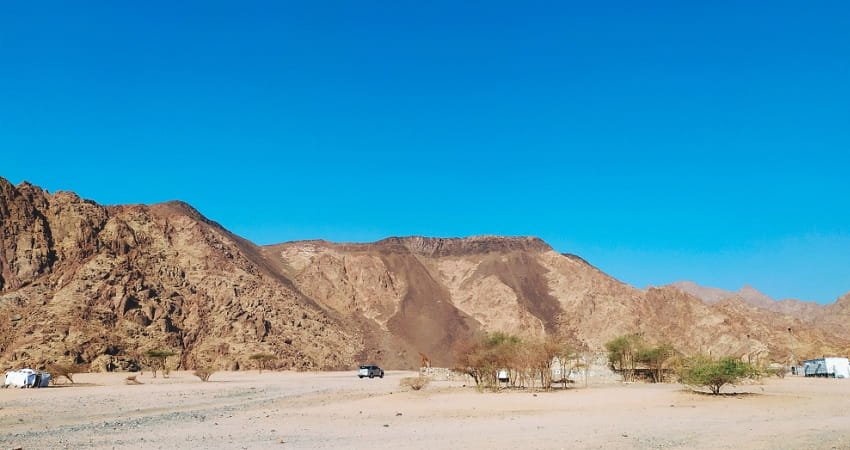
Located about 30 km from Madinah, Wadi-e-Jinn is a curious valley known for its strange magnetic phenomenon: cars in neutral gear appear to roll uphill, defying gravity. Scientists explain it as an optical illusion, while locals attribute it to mysterious unseen forces. Whatever the cause, it’s a fun, family-friendly side trip and a popular stop on extended ziyarat tours.
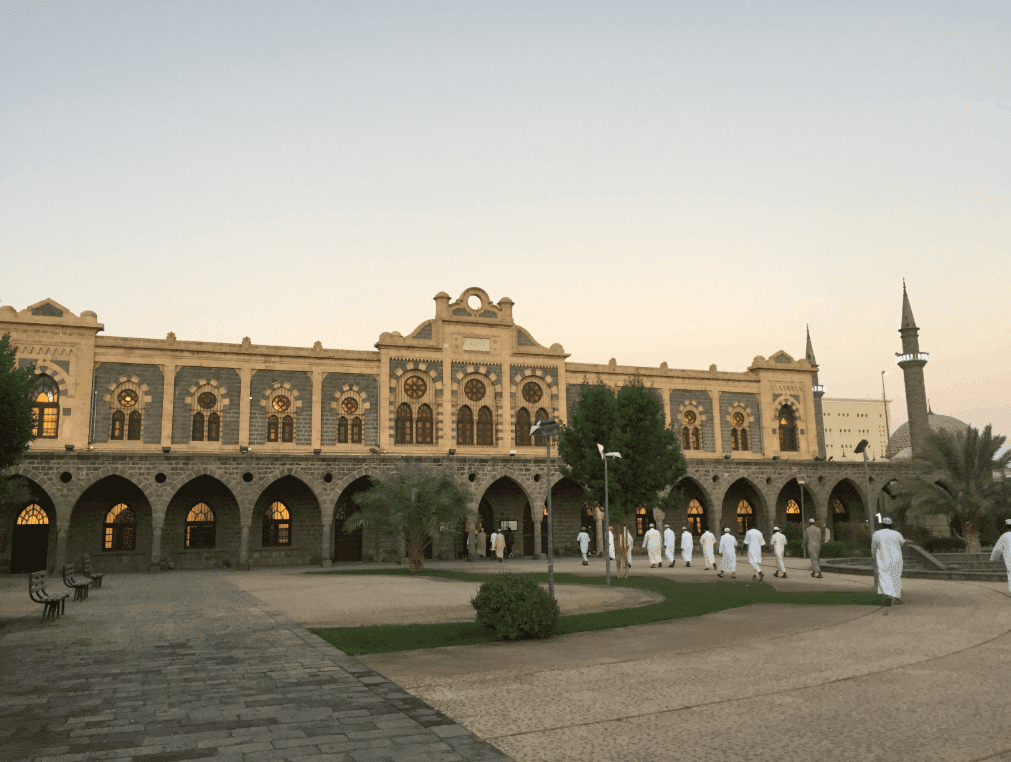
Located in the Knowledge Economic City of Madinah, the Dar Al-Madinah Museum is one of the most comprehensive collections of Madinah’s cultural and Islamic heritage. The museum showcases rare manuscripts, archaeological artifacts, and miniature models of the city as it appeared during the Prophet ﷺ’s time. It’s an excellent educational visit for pilgrims who want a deeper understanding of Madinah’s history.
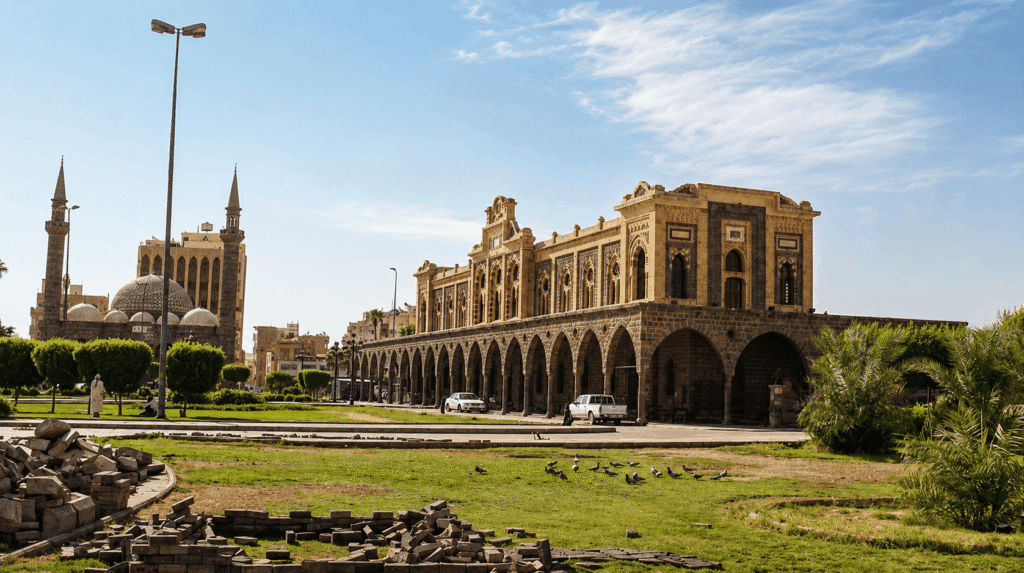
Built in the 1900s by the Ottoman Empire, the Hejaz Railway once connected Damascus to Madinah. The original Madinah railway station has been converted into a fascinating museum with restored locomotives, photographs, and artifacts of the railway era. It’s a great stop for history enthusiasts.
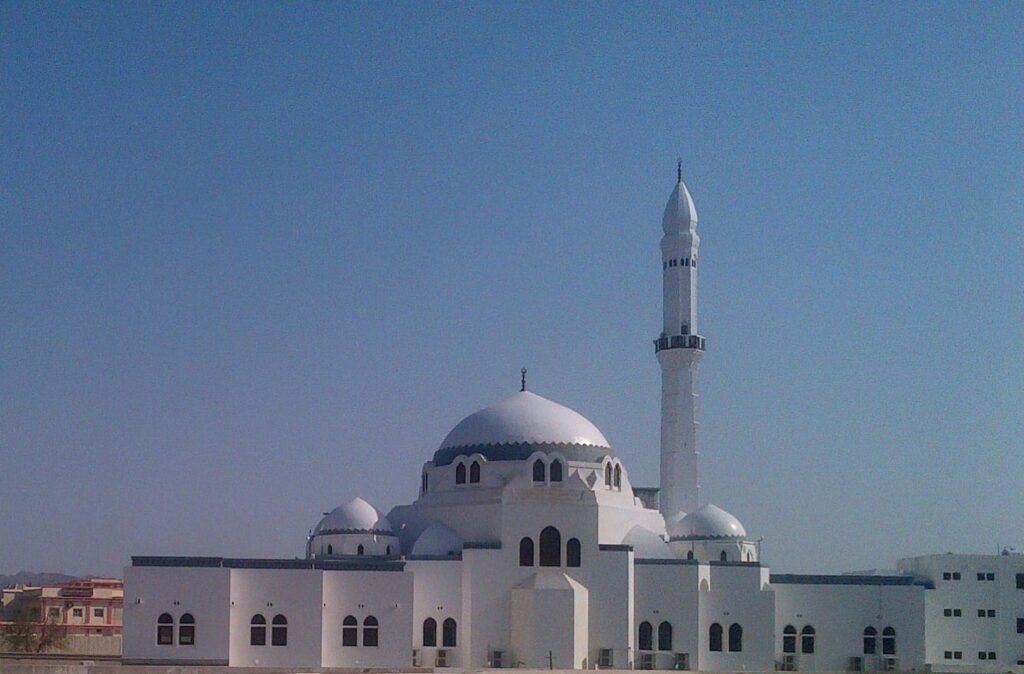
This is the mosque where Prophet Muhammad ﷺ led the very first Friday (Jumu’ah) prayer in Islam after migrating from Makkah to Madinah. Located on the road between Masjid Quba and Masjid an-Nabawi, it commemorates a pivotal moment in establishing the Muslim community.
To help you plan, here are sample itineraries based on our most popular Umrah packages. Both can be customized feel free to contact our travel consultants for a personalized plan.
Best suited for our 7 Days Umrah Package perfect for working professionals or first-time pilgrims with limited time.
Best suited for our 10 Days Umrah Package ideal for families and those who want a more relaxed pace.
Adds full days for Hira Cultural District, the Exhibition of the Two Holy Mosques, an extended Madinah ziyarat, Wadi-e-Jinn, and unhurried prayer time at both Harams. For longer stays consider the 15 Days Umrah Package, 21 Days Umrah Package, or our flagship 28 Days Umrah Package popular during Ramadan.
The best time to perform Umrah and explore the holy sites depends on your priorities weather, crowds, and spiritual significance.
Cooler temperatures (18°C–30°C) make ziyarat tours much more comfortable. This is the most recommended period for elderly pilgrims and families with young children.
Performing Umrah during Ramadan carries the reward equivalent to performing Hajj with the Prophet ﷺ. However, both Makkah and Madinah are extremely crowded, hotels are pricier, and Tawaf takes much longer. Book at least 6–8 months in advance.
Daytime temperatures can exceed 45°C, making outdoor ziyarat tours challenging. However, hotel prices drop significantly and the Haram is far less crowded a budget-friendly option for healthy pilgrims who can manage the heat.
For a more detailed pre-departure checklist, see our companion blog: Hajj Travel Checklist 2026 – Pakistan Pilgrim Guide (most points apply to Umrah travelers as well).
This section answers the most common questions pilgrims ask before performing Umrah. These concise, direct answers are written so AI search engines, voice assistants, and Google’s featured snippets can easily extract and present them and so you, the reader, can find what you need at a glance.
Q1. What are the most important places to visit in Makkah during Umrah?
The most important places to visit in Makkah during Umrah are Masjid al-Haram (the Grand Mosque housing the Kaaba), Safa and Marwah, Maqam-e-Ibrahim, the Zamzam Well, Jabal al-Noor (Cave of Hira), Jabal Thawr (Cave of Thawr), Jannat al-Mu’alla cemetery, Mount Arafat, Mina, Muzdalifah, and Masjid Aisha (Taneem). For a full guided ziyarat, book with Uniworld Travel & Tours.
Q2. What are the top ziyarat places in Madinah?
The top ziyarat places in Madinah are Masjid an-Nabawi (with the Prophet’s tomb and Riyadh-ul-Jannah), Jannat al-Baqi cemetery, Masjid Quba (the first mosque in Islam), Masjid al-Qiblatain, Mount Uhud, the Seven Mosques (Sab’a Masajid), Masjid al-Ghamamah, and the Quba date market.
Q3. Is it mandatory to visit historical places during Umrah?
No, visiting historical places (ziyarat) is not mandatory for Umrah. Only the four core rituals Ihram, Tawaf, Sa’i, and Halq/Taqsir are required. However, visiting historical sites is highly recommended because it deepens your understanding of Islamic history and enriches your spiritual journey.
Q4. How many days do I need to visit all the major sites in Makkah and Madinah?
A minimum of 7 days allows you to perform Umrah and visit all major sites in both cities. A 10–15 day package gives you a more relaxed pace with extra time for worship, secondary sites, and cultural museums. Ramadan visits typically last 21–28 days for maximum spiritual reward. Browse all Umrah package durations.
Q5. Is praying in Masjid Quba really equal to performing an Umrah?
Yes. According to authentic hadith, Prophet Muhammad ﷺ said that whoever performs ablution at home, comes to Masjid Quba, and prays two rakahs receives a reward equivalent to performing an Umrah. This makes Masjid Quba one of the most spiritually rewarding stops in Madinah.
Q6. What is Riyadh-ul-Jannah and how can I pray there?
Riyadh-ul-Jannah (the Garden of Paradise) is the area inside Masjid an-Nabawi between the Prophet ﷺ’s house and his pulpit, marked by a green carpet. The Prophet ﷺ said it is literally a piece of Paradise. To pray there, you need to book a free permit through the Nusuk app 1–3 days in advance. Time slots are limited and fill quickly.
Q7. What is the best time to perform Umrah from Pakistan?
The best time to perform Umrah from Pakistan is October to April cooler weather, comfortable temperatures, and easier ziyarat tours. Ramadan offers the highest spiritual reward but is the most crowded and expensive. June to August is the cheapest but extremely hot.
Q8. Do I need a guide for ziyarat in Makkah and Madinah?
A guide is strongly recommended especially for first-time pilgrims. A knowledgeable guide explains the historical context, hadith, and authentic practices at each site, and ensures you don’t engage in anything that contradicts Sunnah. All Uniworld Umrah packages include guided ziyarat with experienced local guides.
Q9. Can women visit all ziyarat sites?
Women can visit almost all ziyarat sites in Makkah and Madinah, including all major mosques. The only exception is Jannat al-Baqi and Jannat al-Mu’alla cemeteries, which are typically restricted to male visitors based on traditional Saudi practice. Riyadh-ul-Jannah has separate timings for women usually 6 AM to 11 AM and 9:30 PM to 12 AM verified through the Nusuk app.
Q10. How do I book Umrah from Karachi with Uniworld Travel & Tours?
Booking with Uniworld is simple. Visit our Umrah packages page, choose a duration (7, 10, 15, 21, or 28 days), pick a hotel category (3-star, 4-star, or 5-star), and contact our team via website form, phone, or WhatsApp at +92-(21)-34383838. Our consultants will guide you through visa, flights, hotels, and ziyarat all in one package.
Visiting the holy sites of Makkah and Madinah during Umrah is far more than tourism it is a homecoming of the heart. Each mosque, mountain, and cemetery you visit ties you to a chain of faith stretching back over fourteen centuries. When you stand on the same ground where Prophet Muhammad ﷺ stood, prayed, struggled, and triumphed, your Umrah transforms from a set of rituals into a profound, lifelong memory.
At Uniworld Travel & Tours your trusted travel agency in Karachi we are honored to help thousands of pilgrims experience this sacred journey every year. From economy to ultra-premium Umrah packages from Karachi, from family group tours to solo pilgrims, our team handles every detail with care, integrity, and devotion.
Your heart is calling answer it. Reach out today and let us turn your Umrah dream into a beautiful, blessed reality.
Ready to Begin Your Umrah Journey? 📞 Call: +92-(21)-34383838 ✉ Email: contact@uniworldtravelandtours.com 🌐 Website: uniworldtravelandtours.com 📍 Allama Iqbal Rd, Block 2 P.E.C.H.S, Karachi, Pakistan |