
Masjid Quba is around 3–3.5 km south of Masjid an-Nabawi, depending on where you start and finish. You can walk along the Quba pedestrian route, take a taxi or ride-hailing car, or include the mosque in an organised Madinah ziyarat trip. For planning, allow around 45–60 minutes for a relaxed one-way walk or 10–20 minutes in a car, excluding pickup waits and traffic delays.
The best choice depends on your group. Walking can suit visitors who are comfortable covering several kilometres in suitable weather. A car is usually a more practical choice for older pilgrims, families with young children, and anyone who needs to conserve energy for worship.
This guide explains how to plan the journey, what to check before leaving your hotel, and how to visit without turning a short outing into an exhausting day.
Researched: 23 October 2026. Journey times below are planning estimates, not guaranteed travel times. Check local access arrangements and conditions before setting out.
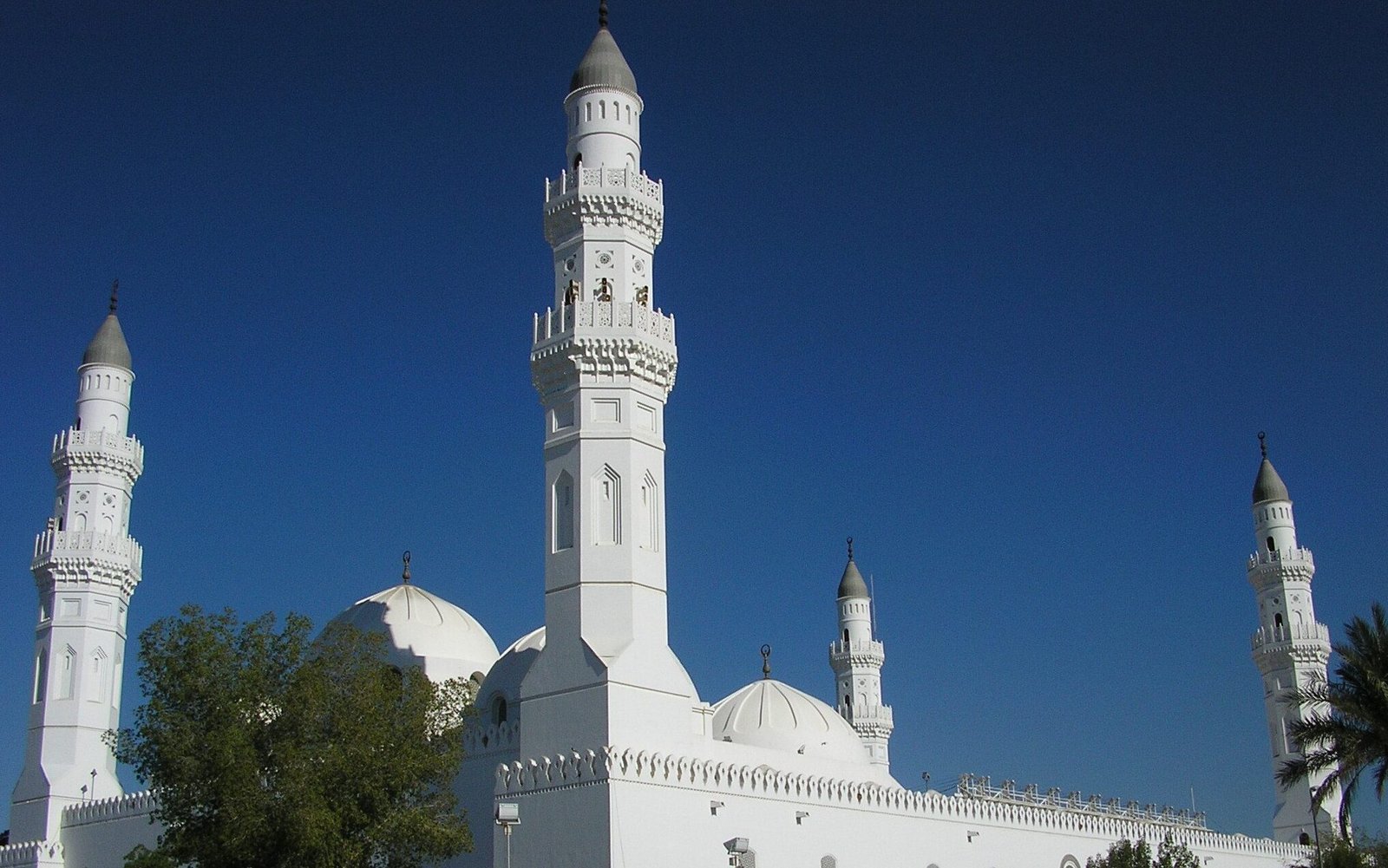
Masjid Quba Visit at a Glance
| Planning question | Practical answer |
|---|---|
| Where is it? | In the Quba area, south of Masjid an-Nabawi in Madinah |
| How far is it? | Approximately 3–3.5 km between the mosque areas; your hotel-to-entrance journey can be longer |
| Can you walk? | Yes, using the Quba pedestrian route |
| How long should you allow on foot? | Around 45–60 minutes each way at a relaxed pace, with extra time for stops |
| How long by car? | Allow roughly 10–20 minutes of driving, plus pickup and access time |
| What is a sensible visit budget? | Around 2–3 hours for a walking outing with a return ride; longer for a slow group or additional stops |
| Is it part of the Umrah rituals? | No; visiting Quba is separate from performing Umrah in Makkah |
| What should you confirm locally? | Current entrances, prayer arrangements, transport prices, and your return pickup point |
Why Visit Masjid Quba During Your Madinah Stay?
Masjid Quba is closely connected with the Prophet Muhammad’s ﷺ arrival in the Madinah area during the Hijrah. Saudi historical sources describe it as the first mosque established in Islam. Its importance makes it a meaningful visit for pilgrims who want to understand more about the early Muslim community.
However, you do not need to turn the visit into a lengthy sightseeing programme. A focused trip can give you time to pray and reflect while leaving enough energy for the rest of your Madinah stay.
The Hadith About Prayer at Masjid Quba
Sunan Ibn Majah 1412 reports that a person who purifies himself at home, then comes to Quba Mosque and offers prayer there, receives a reward like that of Umrah. The referenced page grades the narration Hasan (Darussalam).
For practical preparation, make wudu at your accommodation before leaving. Once at the mosque, offer prayer in accordance with the applicable prayer-time guidance and your circumstances. If you need advice about a particular religious situation, ask a qualified scholar.
The reward described in the narration does not mean that a Quba visit replaces the rites of Umrah in Makkah. It also does not make visiting Quba a condition for completing your Umrah.
Do You Have to Visit on Saturday?
Sahih al-Bukhari 1193 records the Prophet ﷺ visiting Quba on Saturdays, sometimes walking and sometimes riding. Saturday therefore has a connection with his practice, but you can plan a visit on another suitable day.
Choose a time that works for your health, group, and travel arrangements. Do not leave a safe, manageable visit until the last possible morning simply because another day seems less desirable.
How Far Is Masjid Quba from Masjid an-Nabawi?
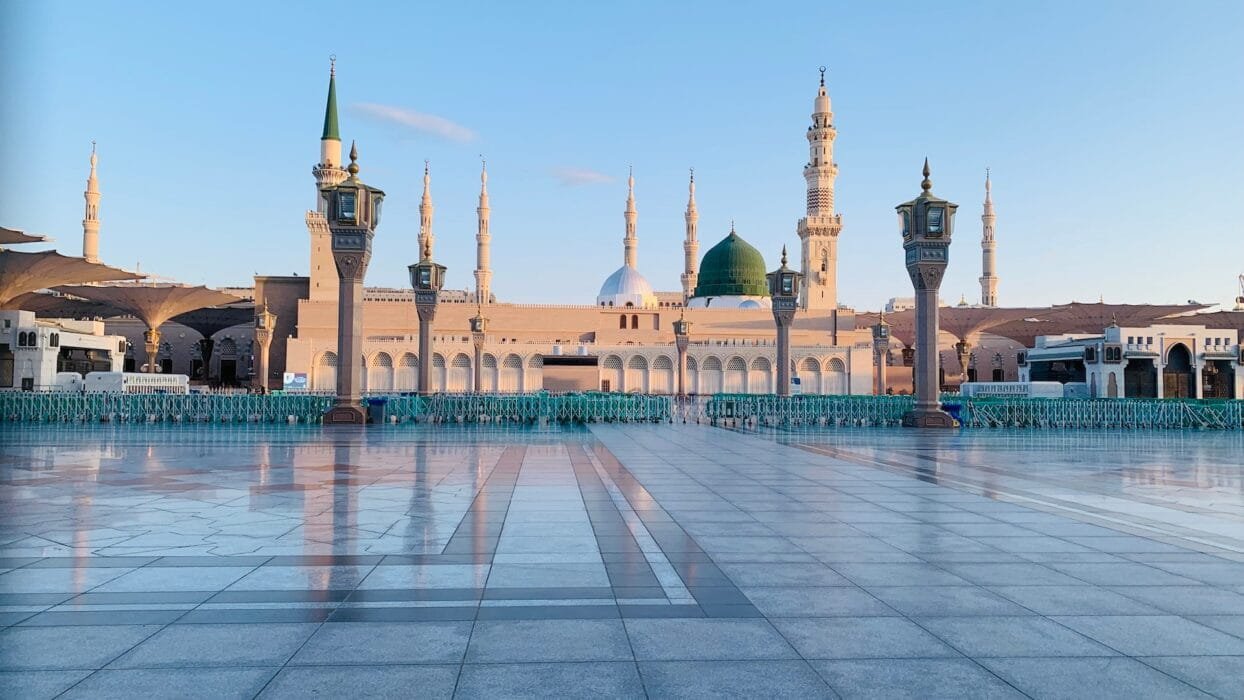
The useful answer is approximately 3–3.5 km between the mosque areas, rather than one exact distance for every visitor.
Official destination information describes the Quba Walking Trail as approximately 3 km long. That does not mean every hotel room is 3 km from the prayer hall. Your starting location, the courtyard exit, the entrance in use, and any diversions all affect the total journey.
Think of the outing in three parts:
- Your hotel to the walking route or pickup point. This can add a meaningful amount of walking, especially if your accommodation is on another side of the Prophet’s Mosque.
- The journey towards Quba. This is the main walking or driving section.
- The final approach to the entrance. Allow time to find your section, store shoes, and meet your family afterwards.
Before choosing accommodation, read our guide to the best area to stay in Madinah for Umrah. The location that suits your daily mosque visits may matter more than saving a few minutes on one ziyarat trip.
Walking, Taxi or Ziyarat Tour: Which Should You Choose?
| Option | Best suited to | What to consider |
|---|---|---|
| Walk both ways | Visitors comfortable with a longer outing in suitable conditions | The main route alone can mean roughly 6 km of walking across the return trip |
| Walk there, ride back | Visitors who want the walking experience without committing to the return walk | Arrange enough money, phone access, and a realistic pickup plan |
| Taxi or ride-hailing car both ways | Families, older pilgrims, and visitors conserving energy | Include pickup waits, passenger capacity, and the walk from the drop-off |
| Organised ziyarat | Groups wanting transport and several planned visits | Confirm the actual stops, time at Quba, and pickup arrangements |
For a mixed-age family, choose transport around the least mobile person. A fit traveller may be comfortable walking back, while an older relative may already be tired after reaching the mosque.
There is no need for everyone to make the same journey. If some people walk while others travel by car, agree on one meeting location and a clear fallback plan before separating.
How to Walk from Masjid an-Nabawi to Masjid Quba
The official Quba Walking Trail guide describes a pedestrian connection between the two mosques, with shops, food outlets, and places to sit along the route.
Treat these facilities as useful conveniences. Do not assume the whole journey will be shaded, that every business will be open, or that seating will be available exactly when you need it.
Step 1: Check the Whole Route from Your Actual Location
Search for “Quba Mosque” or “مسجد قباء” in your map application and select walking directions. Check that the destination is the historic mosque in Madinah.
Look at the route before leaving your hotel. A map pin for the centre of Masjid an-Nabawi may produce a different journey from your actual courtyard exit. Save the directions if your mobile connection is unreliable.
Step 2: Confirm the Approach to the Southern Side
The pedestrian connection runs towards Quba from the southern side of the central mosque area. Ask your hotel reception or an authorised local staff member to point out the current approach to Quba Avenue.
Avoid relying on a single gate number copied from an old article. Mosque doors, courtyard gates, and road access points are different references, and local arrangements can change.
Step 3: Follow the Pedestrian Route
Use the designated walking route and marked crossings. If navigation appears to direct you into a vehicle lane or an unsuitable shortcut, stop somewhere safe and check the route again.
Walk at the pace of the slowest person. Keep younger children close, especially around junctions, busy commercial areas, and any shared sections of the route.
Step 4: Reassess Before Anyone Becomes Exhausted
After the first part of the walk, check whether the group is comfortable continuing. It is easier to change the plan while everyone still has energy than after someone has become distressed.
If you decide to take a car for the remaining journey, move to a suitable road-access pickup point. A driver may not be able to reach the pedestrian location shown by your phone’s live pin.
Step 5: Allow Time at the Mosque
On arrival, follow the current signs and staff instructions for the appropriate prayer section. Agree where you will meet after prayer before entering separate areas.
A photograph of a distinctive public meeting point can be more useful than saying “outside the main entrance.” Avoid blocking doorways while waiting.
Taking a Taxi or Ride-Hailing Car to Masjid Quba
A car reduces the distance your group needs to walk, but the driving time is only one part of the journey. You still need to reach the pickup point, wait for the vehicle, and walk from the drop-off to the entrance.
Set a Pickup Point the Driver Can Reach
If staying close to Masjid an-Nabawi, ask the hotel where cars can currently collect guests. The nearest point on a map is not always reachable by road.
Give the driver a recognisable location and check the vehicle details before boarding. If communication is difficult, show the destination name in Arabic: مسجد قباء.
For help preparing your phone before travelling, see our guide to Saudi apps every Umrah pilgrim should know.
Confirm the Fare and What It Includes
There is no single reliable taxi price that applies to every departure point, vehicle, and time. Check a live app quote or agree the price before starting a privately arranged journey.
Ask whether the amount covers:
- One passenger or the whole vehicle.
- A one-way journey or a return trip.
- Waiting while you visit the mosque.
- Your actual hotel pickup and return location.
- The vehicle size your group needs.
A low initial quote can be misleading if it excludes the return journey or is priced per person. For a larger family, compare the total cost for everyone rather than comparing only the headline figure.
Arrange the Return Before Getting Out
If the same driver is waiting, confirm the meeting location, contact number, and included waiting time. If booking a new ride later, keep your phone charged and identify a suitable road-access meeting point.
Do not leave the return plan entirely to the least mobile member of the family. One person should take responsibility for transport and another should help keep the group together.
Can You Use a Bus or Buggy Instead?
Other transport options may be available locally, including sightseeing services or small passenger vehicles. Their routes, boarding locations, prices, and operating arrangements should be checked on the day.
Before relying on one, confirm the exact destination, whether the fare is per person, and where you will be dropped off. For a bus, check the correct service and the last practical return option. For a small vehicle, check whether your group and any mobility equipment can be carried appropriately.
Keep an alternative. A family should not have to complete an unexpected long return walk because a service seen earlier is no longer available.
Best Time to Visit Masjid Quba
Early Morning: Useful When the Group Is Rested
An early visit can help you avoid walking later in the day as temperatures rise. However, a group arriving overnight may benefit more from rest than from immediately starting another outing.
If you leave after Fajr, remember that the weather can become warmer during your visit and return journey. Decide whether you will ride back before setting off.
Evening: Allow for Crowds and Family Commitments
An evening visit can suit people who prefer walking after sunset. Check how it fits around prayer, dinner, children’s routines, and the return to your hotel.
Do not assume evening means quiet. The walking route and mosque area may be busy, and finding your family after prayer can take longer than expected.
Midday and Hot Conditions: Choose Transport Carefully
Check the actual forecast and conditions outside your hotel rather than choosing a walking time solely from a general travel guide. If the conditions feel unsuitable for your group, arrange a car or move the visit.
For a fasting visitor, a long walk also needs to be considered alongside the time remaining before iftar. Keep the plan manageable rather than trying to combine every Madinah stop in one day.
Visiting with Older Parents, Children or a Wheelchair
Older Pilgrims
Ask about the distance your relative can comfortably manage today. Someone who walked well before travelling may be tired after flights, transfers, and several days of mosque visits.
Choose a vehicle with enough space and a practical boarding height. Ask about the closest permitted drop-off and how far the remaining approach is. A short drive does not guarantee a short walk at either end.
Families with Young Children
Keep the outing focused. A mosque visit, a long walk, shopping, and several extra stops can become too much for one morning.
Carry the essentials, explain the meeting plan to older children, and keep a clear division of responsibility between adults. Before using a stroller, check current entry and storage arrangements with staff.
Wheelchair Users
A pedestrian route does not automatically make the entire outing easy for every wheelchair user. Consider the chair, the person assisting, the total distance, crossings, crowding, and the final entrance approach.
Confirm the current accessible entrance and transport arrangements locally. If a vehicle is needed, explain whether the chair folds and whether the passenger can transfer to a seat. Do not assume an ordinary booked car will accommodate every wheelchair.
For a group including someone who needs assistance, leave enough time to move without rushing and avoid making a fixed appointment immediately afterwards.
A Practical Masjid Quba Itinerary
These are suggested planning schedules, not official tour durations. Adjust them to your hotel location, prayer times, weather, and group pace.
Option A: Walk There and Ride Back
| Part of the visit | Suggested allowance |
|---|---|
| Prepare at the hotel and reach the route | 15–25 minutes |
| Walk towards Quba | 45–60 minutes, longer with breaks |
| Enter, pray, reflect, and regroup | 30–45 minutes |
| Arrange pickup and return | 25–40 minutes, depending on waits and traffic |
Reserve roughly 2–3 hours overall, and extend that allowance if your hotel is farther away or your group walks slowly. If the outing starts taking longer than expected, remove optional stops rather than rushing through prayer or the return journey.
Option B: Car Both Ways
Keep around 1.5–2 hours free as a practical starting allowance for hotel collection, the visit, and the return. Busy periods, extended prayer, or slower movement may require longer.
This can suit a family that wants to visit Quba without using most of its energy on transport. It can also be easier to manage when the group has a fixed meal, transfer, or appointment later.
Option C: Quba Within a Wider Ziyarat Trip
Ask for the actual itinerary before booking. Confirm how long you will have at Quba, whether prayer time is allowed, and whether the vehicle waits for the group.
Use our guide to places to visit in Makkah and Madinah during Umrah to choose the stops that matter most to you. A manageable selection is often more useful than a long checklist.
What to Do When You Arrive
Enter respectfully, follow staff instructions, and keep movement through the entrances clear. Check the current arrangement for your prayer section rather than following an old photograph or an unverified entrance description.
Keep your shoes together and remember where you placed them. A shoe bag can help, particularly when travelling with children or entering a busy area.
Allow time for prayer and quiet reflection. Avoid creating a photography queue in front of an entrance, and respect the privacy of people worshipping around you. If your group separates, use the agreed meeting point instead of repeatedly moving between different doors looking for one another.
Before leaving, check that everyone has their belongings and knows the return plan. Do this before booking a car so the driver is not waiting while the group is still searching for a missing person or pair of shoes.
Can You Combine Quba with Other Madinah Visits?
Yes, but plan by geography, travel time, and energy rather than treating every landmark as a short walk from Quba.
If you want to explore more of the surrounding walking area, leave time for a rest and an unhurried return. Check the location and current access of any additional site before extending your route.
For a wider vehicle trip, ask the organiser to explain the order of stops. Our Jabal-e-Uhud history and visit guide can help you decide whether to include Uhud on the same organised outing or on another day.
Avoid placing a leisurely walk immediately before a time-sensitive booking. If you have a fixed commitment later, use transport and leave a generous buffer.
Common Planning Mistakes to Avoid
Counting only the distance between mosque pins. Your hotel, courtyard approach, entrance, and return pickup all add movement. Plan the whole outing.
Assuming everyone can walk back. The return starts after the walk and the visit. Keep a transport option even if everyone feels energetic at departure.
Treating online fares as fixed tariffs. Confirm the current total, passenger basis, and return arrangements before boarding.
Using a gate number as the entire navigation plan. Save the walking route and confirm the current approach locally.
Adding too many stops. If visiting Quba is the main purpose, protect time for it and keep other activities optional.
Scheduling the outing straight after a tiring transfer. If arriving from Makkah, use our Makkah to Madinah train, car and bus comparison when planning the broader journey, then allow time to settle in before choosing your ziyarat schedule.
What to Take for Your Quba Visit
Pack lightly enough to walk comfortably, but take what your group needs:
- Charged phone with saved hotel and destination details.
- Water when appropriate for your circumstances.
- Comfortable footwear and a shoe bag.
- Payment method and a backup for the return journey.
- Hotel address in Arabic or a saved location.
- Essential personal items and any equipment needed by the group.
- A clearly agreed meeting point and contact plan.
Before leaving, check the weather, prayer times, and your next commitment. The most useful preparation is a realistic return plan.
Planning a Madinah Stay with Uniworld
When comparing Umrah packages from Pakistan, ask how many nights are included in Madinah and whether Madinah ziyarat is part of the quoted arrangement.
Confirm whether Masjid Quba is a scheduled stop, how long the group can stay, and what vehicle is provided. If travelling with older parents or someone using a wheelchair, explain those needs before finalising the itinerary.
A package should be assessed against your group’s practical requirements: hotel location, transfers, time for worship, and a manageable daily schedule. Ask Uniworld to confirm the current inclusions in writing so you can plan your Quba visit around the arrangements actually booked.
Frequently Asked Questions
How far is Masjid Quba from Masjid an-Nabawi?
Approximately 3–3.5 km between the mosque areas, depending on the route and endpoints. Your hotel-to-entrance journey may be longer, so check directions from your actual starting point.
Can you walk from Masjid an-Nabawi to Masjid Quba?
Yes. The Quba pedestrian route connects the areas. Allow around 45–60 minutes for a relaxed one-way walk, with additional time for breaks, a slower pace, or local diversions.
How long does a taxi take to Masjid Quba?
Use roughly 10–20 minutes of driving as a planning estimate. Add time for reaching the pickup point, waiting for the car, traffic, and walking from the drop-off to the entrance.
How much is a taxi from Masjid an-Nabawi to Quba?
Check a live quote or agree the fare locally. The total varies by pickup location, vehicle, demand, and whether waiting or a return trip is included. Confirm whether the price is per person or per car.
What is the best time to visit Masjid Quba?
Choose a time with suitable weather and enough energy for the whole outing. Early morning or after sunset may suit walking, but check the forecast, prayer schedule, crowds, and return arrangements.
Do I have to visit Quba on Saturday?
No. Saturday is connected with the Prophet’s ﷺ recorded practice, but you can visit on another suitable day. Choose a manageable time for your group.
Should I make wudu before leaving my hotel?
The narration in Sunan Ibn Majah 1412 describes purification at home before coming to Quba and offering prayer. Make wudu at your accommodation before leaving and seek qualified advice for any specific religious questions.
Does praying at Quba replace performing Umrah?
No. The narration concerns reward; visiting Quba does not replace performing the rites of Umrah in Makkah. Visiting Quba is separate from completing Umrah.
Can women and families visit Masjid Quba?
Yes. Follow the current entrance and prayer-section arrangements. Families should agree on a public meeting point before entering separate sections and allow extra time to regroup.
Can I walk to Quba and take a taxi back?
Yes, this is a practical option for visitors who want to walk one way. Keep your phone charged, retain money for the return, and identify a pickup point accessible to vehicles.